In-App Purchases Unity: Mobile Game Monetization Tutorial
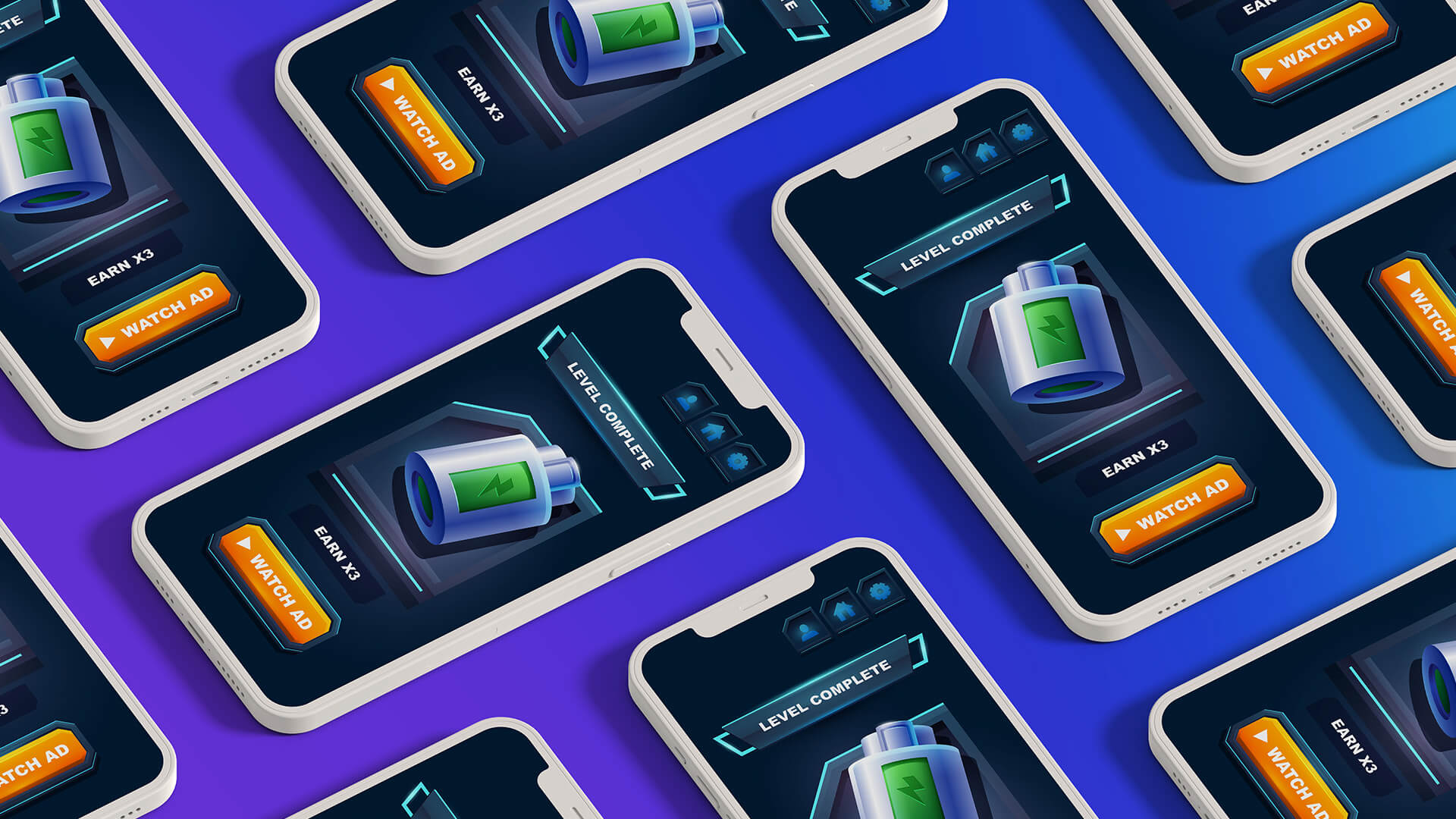
So, you've poured your heart and soul into creating an amazing mobile game with Unity. The gameplay is addictive, the graphics are stunning, and you just know players are going to love it. But now comes the big question: how do you actually make money from your creation? Let's dive into the world of in-app purchases (IAP) and unlock the secrets to monetizing your Unity mobile game!
Figuring out how to fairly monetize a game without alienating your player base or creating a "pay-to-win" experience can be a tricky balancing act. Developers often struggle with finding the right balance between offering valuable content for purchase and keeping the core gameplay accessible and enjoyable for all players. The technical implementation of IAP can also present its own challenges, from setting up the necessary infrastructure to handling transactions securely and reliably.
This tutorial aims to guide you through the process of implementing in-app purchases in your Unity mobile game. We'll cover everything from setting up the Unity IAP service to creating and managing your products, and even touch on strategies for effectively integrating IAPs into your game's design.
This article will take you through the essentials of implementing in-app purchases in your Unity game, covering the initial setup, product creation, and integration with your game's logic. We'll explore best practices for designing your IAP system, consider different monetization strategies, and provide practical tips for maximizing revenue while maintaining a positive player experience. Get ready to turn your game into a successful venture!
Setting up Unity IAP
Okay, let's get started with the basics. Setting up Unity IAP can seem a bit daunting at first, but trust me, it's manageable. I remember when I first tried to implement IAP in my own game. I spent hours wrestling with the documentation, feeling like I was deciphering some ancient code. The key is to take it one step at a time. The first thing you'll want to do is head over to the Unity Services window (Window -> General -> Services) and enable In-App Purchasing. Unity will handle the intricacies of interacting with different app stores (like Google Play and the App Store), providing a unified interface for your game. Make sure you have a Unity Project ID linked to your project; otherwise, the IAP service won't activate properly. You'll also need to import the In-App Purchasing package from the Asset Store. This package contains all the necessary scripts and prefabs to get you up and running. Once you have the package imported, you'll find a new menu item under Window -> Unity IAP -> In-App Purchasing. This menu provides tools for configuring your IAP catalog and handling transactions.
Understanding IAP Products
An IAP product is basically anything you offer for sale within your game. Think of it as a virtual item with a real-world price tag. IAP products can come in various forms, like consumables (such as gems or potions that can be used multiple times), non-consumables (such as a permanent unlock of a level or character), and subscriptions (which grant access to exclusive content or features for a set period). When you define an IAP product, you'll need to specify its type, its ID, and its price. The product ID is a unique identifier that distinguishes it from all other products in your game. This ID is how your game will reference the product when a player wants to make a purchase. Setting a reasonable price is crucial. If it's too high, nobody will buy it; too low, and you're leaving money on the table. The best approach is to look at similar games in your genre and see what they're charging for comparable items. Also, experiment with different price points to see what works best for your audience.
The History and Evolution of In-App Purchases
Let's take a trip down memory lane. In-app purchases weren't always a thing. Back in the early days of mobile gaming, most games were sold for a one-time fee. It was a simple model, but it had its limitations. Developers relied on selling new games to generate revenue, and there wasn't a good way to continuously monetize existing players. Then came the rise of free-to-play games and the introduction of in-app purchases. At first, IAP was met with skepticism. Some players viewed it as a greedy tactic, a way for developers to nickel and dime their audience. But as IAP became more sophisticated and games became more engaging, perceptions began to shift. Now, IAP is a widely accepted monetization model, and it has enabled developers to create and sustain games for years, providing continuous updates and improvements. Of course, there are still debates about the ethics of IAP, particularly when it comes to loot boxes and other forms of gambling-like mechanics. But at its core, IAP is simply a tool that developers can use to generate revenue and support their games.
Unlocking the Secrets of Effective IAP Design
Here's a little secret: successful IAP implementation isn't just about throwing a bunch of items into a shop and hoping for the best. It's about carefully designing your IAP system to complement your game's core mechanics and create a win-win situation for both you and your players. Think about what motivates your players. What are they trying to achieve in your game? What challenges are they facing? The answers to these questions will help you identify opportunities for IAP. For example, if your game is about building a city, you could offer IAP to speed up construction times or acquire rare resources. If your game is about collecting characters, you could offer IAP to unlock new characters or upgrade existing ones. The key is to make sure that the IAP items are valuable and desirable, but not essential for enjoying the game. Nobody wants to feel like they're being forced to pay to progress. A good IAP system should enhance the gameplay experience, not detract from it.
Recommendations for Implementing IAP
Okay, so you're ready to dive in and start implementing IAP in your Unity game. Here are a few recommendations to keep in mind. First, always test your IAP thoroughly. There's nothing worse than releasing a game with broken IAP functionality. Use Unity's IAP testing tools to simulate purchases and ensure that everything is working as expected. Second, be transparent with your players. Clearly communicate what IAP items are available, what they cost, and what benefits they provide. Nobody likes surprises when it comes to spending money. Third, provide excellent customer support. If a player has a problem with an IAP purchase, be responsive and helpful. A positive customer experience can go a long way in building loyalty and trust. Finally, keep iterating on your IAP system. Analyze your data to see what items are selling well and what items aren't. Use this information to refine your offerings and optimize your revenue.
Understanding Product IDs
Product IDs are the backbone of your IAP system. They're the unique identifiers that your game uses to reference each IAP item. When choosing product IDs, it's important to be consistent and descriptive. Use a naming convention that makes it easy to identify the type and purpose of each product. For example, you could use prefixes like "gem_" for gem packs, "level_" for level unlocks, and "character_" for character unlocks. Avoid using generic names like "item1" or "product A," as these can be confusing and difficult to manage as your game evolves. Also, make sure your product IDs are unique across all platforms. The same ID should refer to the same product on both i OS and Android. Consistency is key to avoiding headaches and ensuring that your IAP system works smoothly across different app stores. When you change the product ID for an in-app purchase, it is treated as a completely new product, even if it offers the same benefits as the previous one. This can lead to players being able to purchase the same item multiple times, even if they are only supposed to be able to buy it once. It can also cause confusion for players who have already purchased the item, as they may not be able to access it under the new product ID. Also, keep these product IDs confidential.
Tips for Designing Effective IAP Offers
Let's talk strategy. It's not enough to just offer IAP items; you need to design them in a way that is compelling and attractive to your players. One effective technique is to create tiered offers. Offer different bundles of the same item at different price points. For example, you could offer a small pack of gems for $1, a medium pack for $5, and a large pack for $10. This gives players more choices and allows them to find an offer that fits their budget. Another tip is to create limited-time offers. Add a sense of urgency by offering IAP items at a discounted price for a limited time. This can incentivize players to make a purchase that they might otherwise have put off. You can also create special bundles that are only available for a limited time. These bundles can include a combination of different items, such as gems, resources, and characters. Make sure to clearly communicate the value of these bundles to your players, highlighting the savings they'll get compared to buying the items individually. Offer IAP offers after completing a chapter for example.
Handling Transactions and Receipts
Transactions are the heart of your IAP system. When a player makes a purchase, a transaction is created. This transaction contains information about the product that was purchased, the price that was paid, and the date and time of the purchase. It's crucial to handle transactions correctly to ensure that players receive the items they paid for and that your game doesn't get cheated. The first step is to verify the transaction receipt. The transaction receipt is a digital certificate that proves that the purchase was legitimate. Unity provides tools for verifying receipts on both i OS and Android. Verifying receipts is important for preventing fraud and ensuring that only legitimate purchases are processed. Once you've verified the receipt, you need to grant the player the items they purchased. This could involve adding gems to their account, unlocking a level, or giving them access to a new character. Make sure to handle this process carefully to avoid errors. Also, think about adding promo codes.
Fun Facts About In-App Purchases
Did you know that the first in-app purchase was in a Commodore 64 game called "Diskette Salesman" in 1982? Players could purchase in-game currency to buy items. Pretty wild, right? Fast forward to today, and the IAP market is a multi-billion dollar industry. Mobile games are a significant contributor to this growth. In fact, some mobile games generate more revenue from IAP than traditional console or PC games. While IAP is a popular monetization strategy, it's not without its controversies. There have been debates about the ethics of loot boxes and other forms of gambling-like mechanics in video games. Some countries have even introduced regulations to address these concerns. Despite the controversies, IAP remains a vital part of the mobile gaming ecosystem. It allows developers to create and sustain games for years, providing continuous updates and improvements. When done right, IAP can be a win-win situation for both developers and players.
How to Integrate IAP into Your Game's Design
Integrating IAP seamlessly into your game's design is an art. You want to create a system that feels natural and rewarding, not intrusive or exploitative. Think about your game's core mechanics and how IAP can enhance them. For example, if your game is about collecting characters, you could offer IAP to speed up the process of acquiring new characters or to unlock rare and powerful characters. If your game is about building a city, you could offer IAP to speed up construction times or to acquire rare resources. The key is to make sure that the IAP items are valuable and desirable, but not essential for enjoying the game. Nobody wants to feel like they're being forced to pay to progress. A good IAP system should enhance the gameplay experience, not detract from it. If you are not sure, research on games that already did it and are famous.
What If IAP Isn't Working?
So, you've implemented IAP in your game, but the revenue isn't rolling in. What do you do? Don't panic! There are several reasons why IAP might not be performing as expected. First, take a look at your pricing. Are your IAP items priced too high or too low? Experiment with different price points to see what works best for your audience. Second, analyze your data. What IAP items are selling well, and what items aren't? Use this information to refine your offerings. Third, consider your game's design. Is IAP seamlessly integrated into the gameplay, or does it feel tacked on? Make sure that IAP enhances the player experience, not detracts from it. Finally, don't be afraid to ask for feedback. Talk to your players and see what they think about your IAP system. Their feedback can be invaluable in identifying areas for improvement. Also, ask for feedback on social media like Reddit.
Top 5 Best Practices for IAP Monetization
Let's distill everything we've covered into a list of top best practices for IAP monetization. 1. Design your IAP system to complement your game's core mechanics.
2. Offer a variety of IAP items at different price points.
3. Create limited-time offers and special bundles to incentivize purchases.
4. Be transparent with your players about IAP items and pricing.
5. Continuously analyze your data and iterate on your IAP system. Follow these best practices, and you'll be well on your way to creating a successful and sustainable IAP monetization strategy for your Unity mobile game.
Question and Answer
Q: How do I test my IAP implementation in Unity?
A: Use Unity's IAP testing tools to simulate purchases and ensure that everything is working as expected. You can create test accounts and use test credit cards to make purchases without actually spending real money.
Q: How do I prevent fraud in my IAP system?
A: Verify transaction receipts to ensure that purchases are legitimate. Unity provides tools for verifying receipts on both i OS and Android.
Q: What are the different types of IAP products?
A: Consumables (such as gems or potions that can be used multiple times), non-consumables (such as a permanent unlock of a level or character), and subscriptions (which grant access to exclusive content or features for a set period).
Q: How do I handle refunds for IAP purchases?
A: Refunds are typically handled by the app stores (Google Play and the App Store). You can provide customer support to help players request refunds if they have a legitimate reason.
Conclusion of In-App Purchases Unity: Mobile Game Monetization Tutorial
Implementing in-app purchases in your Unity game can be a game-changer, turning your passion project into a sustainable source of income. By carefully considering your game's design, your target audience, and the various monetization strategies available, you can create an IAP system that is both profitable and enjoyable for your players. Remember to test thoroughly, be transparent, and always strive to provide a positive user experience. Happy monetizing!
Post a Comment