Procedural Generation Tutorial: Infinite Content for Games
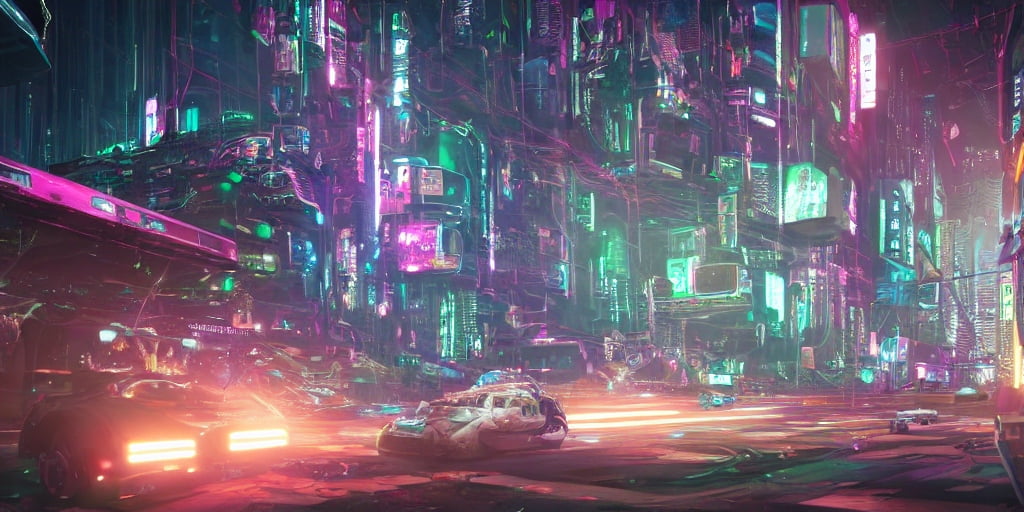
Imagine a game world that stretches on forever, brimming with unique landscapes, challenging quests, and captivating stories, all without an army of developers toiling away for years. Sounds like a dream, right? Well, wake up! That dream is within reach thanks to the magic of procedural generation.
Creating vast and engaging game worlds can be a daunting task. The sheer amount of content required, from level design to character creation, can quickly become overwhelming. Manually crafting every detail is time-consuming, expensive, and can lead to creative burnout for even the most passionate game developers. Reaching that sweet spot between a rich, immersive experience and a manageable workload feels almost impossible.
This tutorial aims to equip you with the knowledge and techniques to harness the power of procedural generation and create virtually limitless content for your games. We'll explore the fundamental concepts, delve into practical examples, and guide you through the process of generating everything from landscapes and textures to quests and even entire storylines. Get ready to unlock a world of possibilities!
By the end of this journey, you'll understand the core principles of procedural generation, be able to implement various techniques in your own projects, and have the tools to create truly unique and expansive game experiences. We'll cover topics ranging from basic random number generation to advanced algorithms for world creation, ensuring you have a solid foundation for your procedural adventures. Let's dive in and explore the exciting world of infinite content!
What is Procedural Generation?
I remember the first time I heard about procedural generation. I was working on a small indie game, and the thought of creating enough content to keep players engaged was terrifying. A friend mentioned "procedural generation," and I pictured some kind of magical content-creating machine. While it's not quite magic, it's pretty darn close! Imagine needing hundreds of trees for a forest, and instead of painstakingly modeling and placing each one, you write a program that generates variations automatically, scattering them realistically across the terrain. That's the essence of procedural generation.
Procedural generation, at its heart, is about using algorithms to create data. In the context of games, this data can represent almost anything: textures, models, levels, music, even entire storylines. Instead of manually creating these assets, you define a set of rules and parameters, and the computer generates them for you. This approach offers several key advantages. It significantly reduces development time and costs by automating content creation. It allows for the creation of vast and diverse game worlds that would be impossible to build manually. And it introduces an element of unpredictability, ensuring that each playthrough feels fresh and unique. Think about games like Minecraft or No Man's Sky; their immense scale and replayability are directly attributable to procedural generation techniques. The possibilities are truly endless, limited only by your imagination and the algorithms you choose to implement. From simple random number generators to complex fractal algorithms, the tools of procedural generation empower developers to build worlds beyond their wildest dreams. So, embrace the power of algorithms, and let your creativity run wild!
A History of Procedural Generation
The concept of procedural generation isn't as new as you might think. Its roots can be traced back to the early days of computer art and computer graphics. One could argue that even early uses of randomness in music composition could be considered a precursor. However, its real adoption in gaming began with roguelikes. These games, known for their challenging difficulty and permadeath mechanics, often featured randomly generated dungeons to ensure a fresh experience with each playthrough.
Games like Rogue, from which the genre takes its name, utilized simple algorithms to create levels with varying layouts, enemy placements, and item distributions. This approach not only provided replayability but also allowed for a single developer or small team to create a surprisingly deep and engaging experience. As computing power increased, so did the sophistication of procedural generation techniques. Games like Elite, released in the 1980s, used algorithms to generate entire galaxies with thousands of planets, each with its own unique characteristics. This was a monumental achievement for its time and demonstrated the potential of procedural generation to create vast and immersive game worlds. In recent years, procedural generation has become even more prevalent, driven by the demand for large open-world games and the desire to reduce development costs. Games like Minecraft and No Man's Sky have brought procedural generation to a mainstream audience, showcasing its ability to create virtually infinite content. From humble beginnings in roguelikes to its current widespread adoption, procedural generation has played a vital role in shaping the landscape of game development, offering developers a powerful tool to create unique and engaging experiences.
The Hidden Secrets of Procedural Generation
While procedural generation seems like a straightforward process of feeding algorithms and getting content, there's a hidden layer that separates truly great procedural generation from the merely adequate: control. It's not enough to simply generate random data; you need to guide the process to ensure the results are coherent, interesting, and consistent with your game's vision.
One of the key secrets is the use of noise functions, such as Perlin noise or Simplex noise. These functions generate smooth, continuous patterns that can be used to create realistic landscapes, textures, and other elements. By layering different noise functions with varying frequencies and amplitudes, you can create complex and visually appealing results. Another important aspect is the use of constraints and rules. Instead of allowing the algorithms to run wild, you can define rules that ensure the generated content adheres to certain guidelines. For example, you might specify that all dungeons must have a certain number of rooms, or that all trees must be within a certain size range. This helps to maintain consistency and prevent the generation of nonsensical or unplayable content. Furthermore, the careful selection of parameters and seeds is crucial. The parameters you choose will directly influence the characteristics of the generated content, so it's important to experiment and find the values that produce the desired results. The seed is a starting value that determines the sequence of random numbers generated by the algorithms. By using the same seed, you can reproduce the same content, which is useful for debugging and testing. In essence, mastering procedural generation is about finding the right balance between randomness and control, using algorithms and constraints to create content that is both unique and consistent. It's a delicate art that requires experimentation, iteration, and a deep understanding of the underlying principles.
Recommendations for Getting Started with Procedural Generation
Feeling inspired to dive into procedural generation but not sure where to begin? Don't worry, it's a journey that's best approached step-by-step. My recommendation is to start with something simple and gradually increase the complexity as you become more comfortable with the concepts.
A great starting point is to experiment with generating simple 2D textures using noise functions. There are many free libraries and tutorials available online that can guide you through the process. Once you're comfortable with generating textures, you can move on to creating simple 2D levels or landscapes. Try using algorithms like cellular automata or random walk to generate the layout, and then use noise functions to add detail and variation. As you progress, consider exploring different procedural generation techniques, such as L-systems for generating plants and trees, or grammar-based systems for generating quests and storylines. It's also helpful to study the code of existing procedural generation projects. Many open-source games and libraries are available online, and examining their code can provide valuable insights into how different techniques are implemented. Furthermore, don't be afraid to experiment and try new things. Procedural generation is a field that's constantly evolving, and there's always something new to discover. The key is to be patient, persistent, and to have fun! Remember that even seemingly simple algorithms can produce surprisingly complex and beautiful results. So, start small, experiment often, and don't be afraid to make mistakes. The journey of learning procedural generation is a rewarding one, and the possibilities are truly endless.
Choosing the Right Tools and Libraries
The landscape of tools and libraries for procedural generation is vast and varied, catering to different programming languages, game engines, and specific needs. Selecting the right tools can significantly impact your workflow and the quality of your generated content. For those working with Unity, there are numerous assets available on the Asset Store that provide pre-built procedural generation systems, ranging from terrain generation to dungeon creation. These assets can be a great starting point for beginners, allowing you to quickly prototype and experiment with different techniques. However, it's important to understand the underlying principles before relying too heavily on pre-built solutions. If you're comfortable with coding, consider exploring libraries like Libnoise or Fast Noise, which provide efficient implementations of noise functions and other essential algorithms. These libraries are often cross-platform and can be integrated into various projects. For more advanced procedural generation tasks, such as generating complex shapes or structures, you might want to explore libraries like CGAL (Computational Geometry Algorithms Library), which offers a wide range of geometric algorithms. When choosing tools and libraries, consider factors such as performance, ease of use, documentation, and community support. It's also important to choose tools that align with your programming skills and the requirements of your project. Don't be afraid to try out different tools and experiment with different approaches. The best way to find the right tools for your needs is to get your hands dirty and see what works best for you. Remember that the tools are just a means to an end; the real magic lies in the algorithms and the creative vision you bring to the table.
Tips and Tricks for Effective Procedural Generation
Procedural generation can be a powerful tool, but it's important to use it effectively to create compelling and engaging experiences. One common mistake is to rely too heavily on randomness without providing enough structure or control. This can lead to the generation of content that is disjointed, uninteresting, or even unplayable.
To avoid this, it's crucial to carefully design your algorithms and to use constraints and rules to guide the generation process. Another important tip is to focus on creating believable and consistent worlds. This means paying attention to details such as biome distribution, terrain features, and the placement of objects. Using noise functions to create smooth transitions between different regions can help to create a more natural and realistic feel. Furthermore, consider the player's experience when designing your procedural generation systems. Think about how the generated content will affect gameplay and how you can use it to create interesting challenges and opportunities. For example, you might generate dungeons with varying difficulty levels or create quests that are tailored to the player's skills and abilities. It's also important to test your procedural generation systems thoroughly to ensure that they produce consistent and predictable results. Use seeds to reproduce specific scenarios and identify any bugs or issues. Finally, don't be afraid to iterate and refine your algorithms. Procedural generation is an iterative process, and it often takes multiple attempts to achieve the desired results. Experiment with different parameters, constraints, and algorithms until you find the combination that works best for your project. Remember, the goal is to create content that is both unique and engaging, and that enhances the overall player experience. By following these tips and tricks, you can harness the power of procedural generation to create truly memorable and immersive game worlds.
Balancing Randomness and Control
The sweet spot in procedural generation lies in the delicate balance between randomness and control. Too much randomness can lead to chaotic and nonsensical results, while too much control can stifle creativity and result in repetitive or predictable content. Finding the right balance requires careful consideration of your game's goals and the type of experience you want to create. One approach is to use randomness to generate the overall structure or layout of your content, and then use constraints and rules to refine the details and ensure consistency. For example, you might use a random algorithm to generate the layout of a dungeon, but then use rules to ensure that all rooms are connected and that there are no dead ends. Another technique is to use weighted probabilities to control the likelihood of certain events or features occurring. For example, you might assign a higher probability to the generation of certain types of enemies in specific areas. It's also important to provide players with some level of control over the procedural generation process. This could involve allowing them to choose from different seeds or to adjust parameters that affect the generated content. This gives players a sense of agency and allows them to tailor the experience to their preferences. Ultimately, the key is to experiment and iterate until you find the balance that works best for your game. Don't be afraid to try different approaches and to solicit feedback from players. The goal is to create content that is both surprising and engaging, and that enhances the overall player experience. By carefully balancing randomness and control, you can unlock the full potential of procedural generation and create truly unique and memorable game worlds.
Fun Facts About Procedural Generation
Did you know that some of the earliest examples of procedural generation can be found in music? Composers have been experimenting with algorithms and randomness to create music for centuries! This demonstrates that the core principles of procedural generation transcend specific mediums and can be applied to a wide range of creative fields.
Another fun fact is that the term "procedural generation" itself wasn't widely used until the late 1990s. Before that, it was often referred to as "algorithmic content creation" or simply "random generation." The rise of the internet and the increasing popularity of indie games helped to popularize the term and bring it to a wider audience. Furthermore, procedural generation is not just limited to games. It's also used in other fields such as architecture, art, and scientific research. For example, architects use procedural generation to create complex building designs, while artists use it to generate abstract art and visual effects. Scientists use it to model complex systems and to generate realistic simulations. Procedural generation is a versatile tool that can be applied to a wide range of problems. Finally, one of the most intriguing aspects of procedural generation is its ability to surprise even its creators. Sometimes, the algorithms can generate unexpected and beautiful results that the developers never anticipated. This element of surprise is one of the things that makes procedural generation so exciting and rewarding. It's a reminder that even in the age of artificial intelligence, there's still room for creativity and serendipity. So, embrace the unexpected and let the algorithms guide you on a journey of discovery. You might be surprised at what you find!
How To Implement Procedural Generation
Implementing procedural generation involves several steps, starting with understanding the core concepts and principles. Begin by choosing a specific aspect of your game that you want to generate procedurally, such as terrain, textures, or quests. Then, research different algorithms and techniques that are suitable for that particular task.
Once you have a basic understanding of the algorithms, start experimenting with simple implementations. Use a programming language and game engine that you are comfortable with, and don't be afraid to start small. Focus on creating a basic prototype that demonstrates the core functionality of the algorithm. As you progress, gradually increase the complexity of your implementation. Add constraints and rules to guide the generation process, and experiment with different parameters to achieve the desired results. It's also important to test your implementation thoroughly to ensure that it produces consistent and predictable results. Use seeds to reproduce specific scenarios and identify any bugs or issues. Furthermore, consider using existing libraries and tools to simplify the implementation process. There are many free and open-source libraries available that provide pre-built procedural generation systems and algorithms. Finally, don't be afraid to iterate and refine your implementation. Procedural generation is an iterative process, and it often takes multiple attempts to achieve the desired results. Experiment with different approaches and solicit feedback from other developers. The key is to be patient, persistent, and to have fun! Remember, the goal is to create content that is both unique and engaging, and that enhances the overall player experience. By following these steps, you can successfully implement procedural generation in your games and create truly memorable and immersive worlds.
What If Procedural Generation...
What if procedural generation could reach a point where it completely eliminates the need for human artists and designers? While this may seem like a distant possibility, the advancements in artificial intelligence and machine learning are rapidly pushing the boundaries of what's achievable.
Imagine a future where games are entirely generated by AI, based on a set of high-level design goals and constraints. The AI could generate not only the levels and environments but also the characters, storylines, and even the music. This would allow for the creation of truly unique and personalized gaming experiences that adapt to the player's preferences and play style. However, such a scenario also raises important ethical and philosophical questions. What would be the role of human creativity in a world where machines can create art and entertainment? Would AI-generated content be able to capture the same emotional depth and meaning as human-created content? And how would we ensure that AI-generated content is free from bias and reflects the values of a diverse society? Furthermore, the widespread adoption of AI-powered procedural generation could have a significant impact on the job market for game developers. While it might create new opportunities for AI specialists and data scientists, it could also displace artists, designers, and other creative professionals. These are complex issues that require careful consideration and open discussion. While the potential benefits of AI-powered procedural generation are enormous, it's important to approach this technology with caution and to ensure that it is used in a way that benefits both creators and consumers. The future of procedural generation is uncertain, but one thing is clear: it will continue to play an increasingly important role in the evolution of game development and the broader landscape of creative expression.
Listicle of Procedural Generation Techniques
Here's a quick rundown of some popular procedural generation techniques to spark your creativity:
- Noise Functions: Perlin noise, Simplex noise, and other noise functions are essential for creating smooth, continuous variations in terrain, textures, and other elements.
- Cellular Automata: These simple algorithms can generate complex patterns that are useful for creating dungeons, cave systems, and other organic structures.
- L-Systems: Lindenmayer systems are a type of grammar-based system that is used to generate plants, trees, and other branching structures.
- Random Walk: This algorithm involves a random agent moving through a space, creating paths and structures as it goes. It's useful for generating dungeons, mazes, and other interconnected environments.
- Grammar-Based Systems: These systems use formal grammars to generate complex structures and patterns, such as quests, storylines, and even entire languages.
- Fractals: Fractals are self-similar patterns that can be used to generate realistic landscapes, mountains, and other natural features.
- Agent-Based Modeling: This technique involves simulating the behavior of multiple agents interacting with each other and the environment. It can be used to generate complex social systems, ecosystems, and other emergent phenomena.
- Voronoi Diagrams: These diagrams divide a space into regions based on the distance to a set of points. They can be used to generate interesting patterns for terrain, city layouts, and other elements.
- Delaunay Triangulation: This technique creates a triangulation of a set of points, which can be used to generate realistic terrain meshes.
- Content-Aware Generation: This technique involves analyzing existing content and using it as a basis for generating new content that is consistent with the style and tone of the original.
Question and Answer about Procedural Generation Tutorial: Infinite Content for Games
Q: Is procedural generation only useful for large open-world games?
A: No, procedural generation can be used in games of all sizes and genres. Even small indie games can benefit from procedural generation techniques to create unique levels, characters, or items.
Q: Is procedural generation difficult to learn?
A: Procedural generation can be challenging at first, but with practice and experimentation, anyone can learn the basics. Start with simple algorithms and gradually increase the complexity as you become more comfortable.
Q: Does procedural generation always result in random and unpredictable content?
A: Not necessarily. While randomness is often used in procedural generation, it's also important to use constraints and rules to guide the generation process and ensure that the results are coherent and consistent.
Q: What are some common mistakes to avoid when using procedural generation?
A: One common mistake is to rely too heavily on randomness without providing enough structure or control. Another mistake is to neglect the player's experience and fail to create content that is engaging and meaningful.
Conclusion of Procedural Generation Tutorial: Infinite Content for Games
Procedural generation offers a powerful toolkit for game developers seeking to create expansive, dynamic, and replayable experiences. From crafting intricate landscapes to designing compelling quests, the possibilities are truly limitless. By understanding the core concepts, exploring different techniques, and striking a balance between randomness and control, you can unlock the potential of procedural generation and build worlds that captivate and inspire your players.
Post a Comment