Steam Game Development: Publishing Your Game on Steam
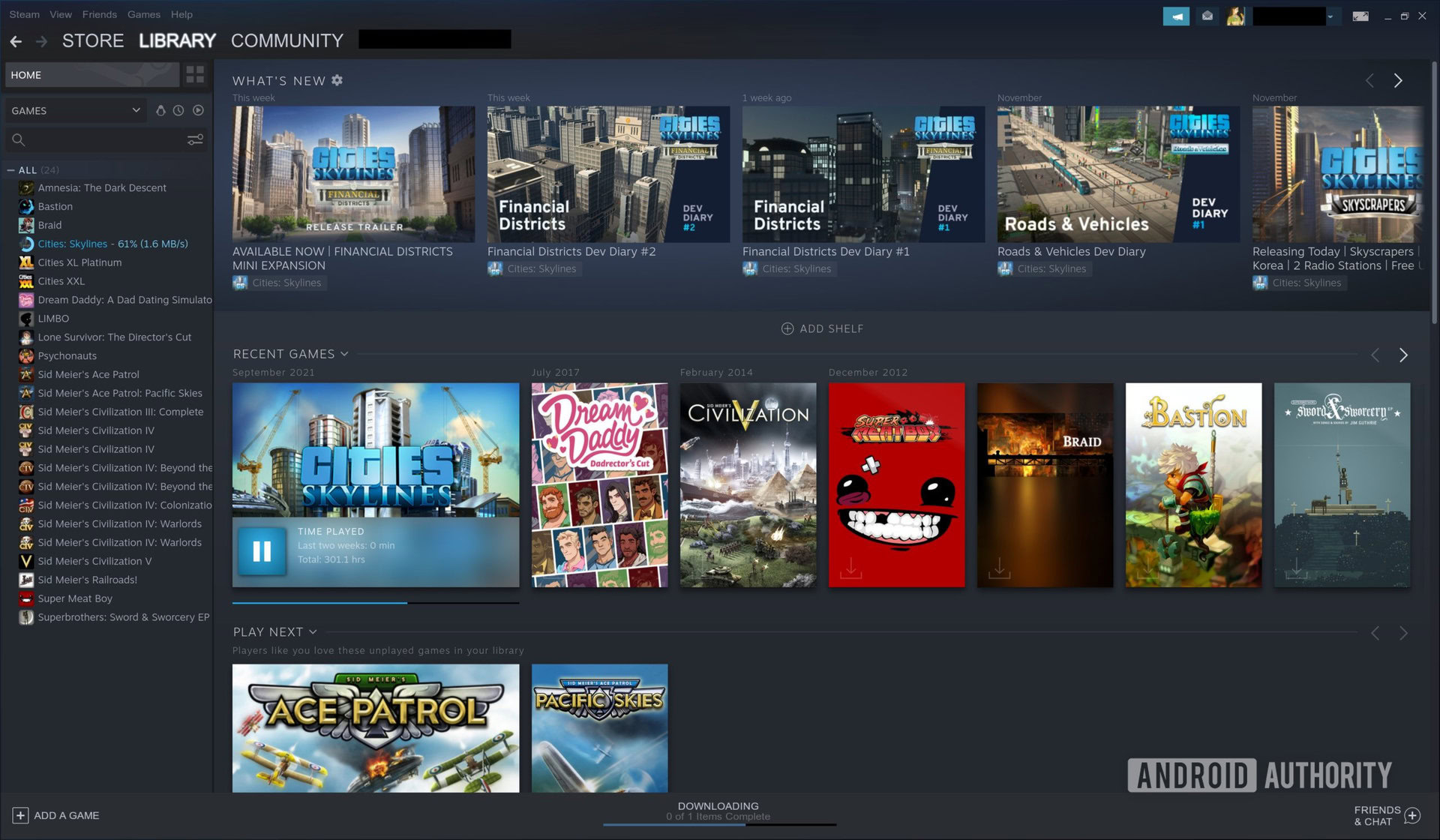
So, you've poured your heart and soul into crafting a video game masterpiece. Late nights fueled by caffeine, lines of code blurring into a beautiful symphony, and countless iterations to perfect every detail. Now comes the next hurdle: getting your game into the hands of players worldwide. Welcome to the world of Steam publishing!
Navigating the Steam landscape can feel like wandering through a maze blindfolded. There are guidelines to decipher, financial hurdles to overcome, and marketing strategies to implement, all while trying to maintain your sanity and continue developing your game. It's a lot to juggle, and many aspiring developers find themselves overwhelmed by the process.
This guide aims to demystify the process of publishing your game on Steam. We'll walk you through the key steps, from understanding the Steamworks platform to crafting a compelling store page and building a community around your game. Whether you're a solo indie developer or part of a larger team, this information will help you navigate the journey and increase your chances of success.
In this guide, we've covered the ins and outs of Steam publishing, touching on the Steamworks platform, store page creation, marketing strategies, and community building. We've explored the process from initial setup to launch and beyond, providing insights and tips to help you succeed in the competitive world of Steam game development. Keep reading to unlock the secrets to Steam success!
Understanding Steamworks
Steamworks is the suite of tools and services that Valve provides to game developers to help them distribute and manage their games on Steam. It's the gateway to getting your game in front of millions of potential players, but it can also feel a little daunting at first. When I first started exploring Steamworks, it felt like navigating a complex control panel of a spaceship – lots of buttons and options, but unsure which ones to press. The initial $100 fee per game is a crucial step, proving a level of commitment and filtering out potential spam. Don't consider it a cost, but an investment in your game's future on the platform. Once you've paid the fee, you gain access to the Steamworks documentation, which, while comprehensive, can sometimes feel a bit like reading a technical manual. You'll need to set up your developer profile, complete tax information, and agree to the Steam Distribution Agreement. These steps are essential for establishing your presence on Steam and ensuring you can receive payments for your game. Beyond the initial setup, Steamworks provides tools for managing your game builds, creating store pages, tracking sales data, and interacting with your community. It's a central hub for all your Steam-related activities, so familiarizing yourself with its features is crucial for success.
Crafting a Compelling Store Page
Your Steam store page is your game's storefront, its first impression on potential buyers. Think of it as the window display of your dream store. You need to grab attention and convince people to step inside. The key is to make it visually appealing and informative. High-quality screenshots and trailers are essential. Showcase your game's best features and highlight what makes it unique. A well-written description is equally important. Clearly communicate the game's genre, mechanics, and target audience. Avoid jargon and focus on the player experience. What kind of emotions will your game evoke? What challenges will players face? What rewards will they reap? Your description should answer these questions and entice players to learn more. Consider using bullet points to highlight key features and benefits. This makes it easier for players to quickly scan the page and understand what your game is about. Choose relevant tags to improve your game's visibility in Steam's search results. Think about the genres, themes, and mechanics that best describe your game. The more accurate your tags, the more likely you are to reach the right audience. Finally, don't forget the importance of user reviews. Encourage players to leave reviews after they've played your game. Positive reviews can significantly boost your game's visibility and credibility.
Marketing Your Game on Steam
Launching on Steam is just the beginning. Marketing is critical to ensure your game reaches its target audience and achieves success. Many developers believe that simply publishing a game on Steam guarantees visibility, but that's far from the truth. In reality, the Steam marketplace is incredibly competitive, with new games launching daily. To stand out from the crowd, you need a well-defined marketing strategy. A common myth is that marketing only begins after the game is released. However, the most effective campaigns start long before launch. Building anticipation and creating a buzz around your game is crucial. Start by identifying your target audience. Who are you trying to reach? What kind of games do they enjoy? Where do they spend their time online? Once you know your audience, you can tailor your marketing efforts to reach them effectively. Social media is a powerful tool for connecting with potential players. Create profiles on relevant platforms and share updates, screenshots, trailers, and behind-the-scenes content. Engage with your audience and respond to their comments and questions. Consider running contests and giveaways to generate excitement and build your community. Reaching out to influencers and streamers is another effective way to promote your game. If you can get a popular streamer to play your game, it can significantly increase its visibility and reach a wider audience. Don't overlook the importance of press coverage. Reach out to gaming websites and magazines and pitch your game. Getting a positive review can be a major boost to your game's sales.
Hidden Secrets of Steam Algorithms
Unlocking the secrets of the Steam algorithm is like finding the key to a treasure chest. Understanding how the algorithm works can significantly impact your game's visibility and sales. It is not about cheating, but about optimizing your strategy within the given framework. One misconception is that the algorithm is a black box, completely opaque and impossible to understand. While the exact details remain secret, there are some known factors that influence how Steam promotes games. Wishlists play a crucial role. The more wishlists your game has, the more likely Steam is to feature it in various sections of the store. This is because wishlists are a strong indicator of player interest. Launch week sales are also important. A strong launch week can signal to Steam that your game is popular and worth promoting. This can lead to increased visibility and more sales. User reviews also play a role. Positive reviews can boost your game's visibility, while negative reviews can have the opposite effect. Steam also takes into account the number of hours played. Games that are played for longer periods of time are more likely to be promoted. This is because Steam sees them as being more engaging and enjoyable. There are also rumors about other factors that influence the algorithm, such as the number of concurrent players and the rate of new players. However, these factors have not been officially confirmed by Valve. The key is to focus on the factors that you can control, such as building wishlists, launching strong, and encouraging positive reviews.
Recommendations for a Successful Launch
A successful Steam launch requires careful planning and execution. It's not just about releasing your game; it's about making a splash and capturing the attention of players. Based on the experience of countless developers, I have compiled some recommendations. Don't underestimate the importance of a pre-launch marketing campaign. Start building hype months before your game is released. Create a compelling trailer, share screenshots, and engage with your audience on social media. Get your game wishlisted. Wishlists are a crucial indicator of player interest, and they can significantly impact your game's visibility on Steam. Reach out to influencers and streamers. Getting your game played by popular content creators can expose it to a wider audience. Plan your launch date carefully. Avoid launching during busy periods, such as holidays or major game releases. Consider participating in Steam events, such as festivals or sales. These events can provide a significant boost to your game's visibility and sales. Prepare for post-launch support. Be ready to respond to player feedback, fix bugs, and release updates. Don't neglect community management. Engage with your players on forums, social media, and Discord. Building a strong community can help to keep players engaged with your game for the long term. Remember that a successful launch is not the end of the journey. It's just the beginning. Continue to market your game, support your players, and improve your game based on their feedback.
Early Access vs. Full Release
The decision to launch in Early Access versus going straight to a full release is a significant one, with implications for development, community engagement, and overall reception. Early Access is a model where you release a game that is still in development, allowing players to purchase and play it while you continue to work on it. This can be a great way to get feedback, build a community, and generate revenue to support development. However, it also comes with risks. If your game is not polished enough or if you fail to deliver on your promises, you could alienate players and damage your reputation. A full release, on the other hand, is a more traditional approach where you release a complete and polished game. This requires more upfront development time and resources, but it can also lead to a stronger launch and a better overall reception. It is important to carefully weigh the pros and cons of each approach before making a decision. Consider the state of your game, your development resources, and your goals for the project. If your game is still in a rough state and you need feedback to improve it, Early Access might be a good option. But if your game is already polished and you want to make a strong first impression, a full release might be a better choice. Either way, communication is key. Be transparent with your players about the state of your game, your plans for the future, and your reasons for choosing one approach over the other.
Tips for Long-Term Success
Long-term success on Steam requires more than just a great game. It demands a commitment to community engagement, continuous improvement, and strategic marketing. Don't think of your game's launch as the finish line; think of it as the starting gun. To maintain momentum and keep your game relevant, consider these tips. Regularly update your game with new content, features, and bug fixes. This shows your players that you're still actively working on the game and that you care about their experience. Listen to player feedback and incorporate it into your development process. Your players are your best source of ideas and insights. Engage with your community on forums, social media, and Discord. Respond to their questions and concerns, and create a welcoming and inclusive environment. Participate in Steam events, such as festivals and sales. These events can provide a significant boost to your game's visibility and sales. Continue to market your game even after launch. Share updates, run contests, and reach out to influencers and streamers. Don't be afraid to experiment with different marketing strategies. Track your results and adjust your approach accordingly. Monitor your game's performance closely. Keep an eye on sales, user reviews, and player engagement. Use this data to identify areas for improvement. Remember that long-term success requires patience, persistence, and a willingness to adapt. The Steam marketplace is constantly evolving, so you need to stay ahead of the curve and be prepared to make changes as needed.
Localizing Your Game for a Global Audience
Expanding your game's reach beyond your native language can significantly increase its potential player base and sales. Localization involves adapting your game's text, audio, and cultural elements to suit different regions and languages. This goes beyond simple translation; it requires understanding the nuances of each culture and ensuring that your game resonates with players in different parts of the world. Start by researching your target markets. Identify the regions and languages where your game is likely to be successful. Consider the size of the market, the level of competition, and the cultural relevance of your game. Prioritize languages based on their potential return on investment. For example, translating your game into Simplified Chinese can open up a massive market in China. Hire professional translators and localization experts. Avoid relying on automated translation tools, as they often produce inaccurate and unnatural-sounding results. Test your localized game thoroughly. Ensure that all text is properly translated, that audio is synchronized, and that cultural references are appropriate. Consider using a localization testing service to identify any potential issues. Provide localized customer support. Respond to player inquiries and resolve any issues in their native language. This shows that you care about your players and that you're committed to providing a positive experience. Remember that localization is an ongoing process. As you continue to update your game, you'll need to update your localized content as well.
Fun Facts About Steam Publishing
Did you know that Steam has over 120 million monthly active users? Or that over 9,000 games are released on Steam every year? Here are some other fun facts about Steam publishing that might surprise you. The first game ever released on Steam was Counter-Strike in 2003. Steam was originally created as a way for Valve to automatically update their games. The Steam Summer Sale is one of the biggest gaming events of the year, with discounts of up to 90% on thousands of games. The most wishlisted game on Steam is currently Hollow Knight: Silksong. There are over 30,000 developers on Steam. Steam has a built-in refund policy that allows players to return games within 14 days of purchase, provided they have played less than two hours. Steam has a family sharing feature that allows users to share their games with up to five other family members. Steam has a built-in workshop that allows players to create and share mods for games. Steam has a points shop where users can redeem points earned by purchasing games for cosmetic items and profile customizations. Steam has a cloud save feature that allows players to save their game progress to the cloud and access it from any computer. Steam has a remote play feature that allows players to stream games from their computer to other devices, such as phones, tablets, and TVs. These fun facts highlight the scale and diversity of the Steam platform and the opportunities that it offers to game developers.
How to Prepare Your Game for Steam
Preparing your game for Steam involves more than just uploading the game files. It requires careful planning and attention to detail to ensure a smooth and successful launch. Start by creating a Steamworks account. This will give you access to the tools and resources you need to publish your game on Steam. Complete the Steamworks onboarding process. This involves providing information about your game, your company, and your tax information. Create a compelling store page. This is your game's storefront on Steam, so it's important to make a good impression. Choose high-quality screenshots and trailers, write a clear and concise description, and select relevant tags. Set a price for your game. Consider your development costs, your target audience, and the prices of similar games on Steam. Create a build of your game. This is the version that players will download and play. Make sure it's stable, bug-free, and optimized for performance. Test your game thoroughly. Play it yourself, have your friends play it, and consider hiring a professional testing service. Prepare your marketing materials. This includes press releases, trailers, screenshots, and social media content. Plan your launch date. Avoid launching during busy periods, such as holidays or major game releases. Set up your Steam achievements and trading cards. These can help to increase player engagement and encourage them to keep playing your game. Configure your Steam Cloud settings. This will allow players to save their game progress to the cloud and access it from any computer.
What If Your Game Fails on Steam?
The reality is that not every game succeeds on Steam. Despite your best efforts, your game might not achieve the sales or player base you were hoping for. If this happens, it's important to stay positive and learn from the experience. Don't give up on your game entirely. There are still things you can do to try to improve its performance. Analyze your game's performance. Look at your sales data, user reviews, and player engagement metrics. Identify areas where you could have done better. Seek feedback from players. Ask them what they liked and disliked about your game, and what could be improved. Update your game based on feedback. Fix bugs, add new features, and address any concerns that players have raised. Relaunch your game with a new marketing campaign. Highlight the improvements you've made and try to reach a new audience. Consider putting your game on sale. This can attract new players who might have been hesitant to buy it at full price. Explore other marketing channels. Reach out to influencers, streamers, and gaming websites. Consider porting your game to other platforms. This can open up new markets and increase your potential player base. Don't be afraid to move on to your next project. Sometimes, the best thing you can do is to cut your losses and focus on something new. The experience you gained from developing and publishing your previous game will be invaluable in your future endeavors.
Listicle of Key Steps to Steam Success
Here's a simplified list of key steps to increase your chances of success on Steam:
1.Create a Great Game: This is the foundation. Focus on quality, innovation, and player enjoyment.
2.Master Steamworks: Become intimately familiar with the Steamworks platform and its features.
3.Craft a Killer Store Page: Optimize your store page with compelling visuals, a clear description, and relevant tags.
4.Build a Wishlist: Prioritize building a wishlist before launch through marketing and community engagement.
5.Market Strategically: Develop a comprehensive marketing plan that targets your audience and utilizes various channels.
6.Engage with Your Community: Foster a strong community through forums, social media, and Discord.
7.Provide Ongoing Support: Continuously update your game, fix bugs, and respond to player feedback.
8.Analyze Your Performance: Track your game's performance and identify areas for improvement.
9.Stay Flexible: Be prepared to adapt your strategy based on market trends and player feedback.
10.Never Give Up: Persistence and determination are key to long-term success. Even if your first game doesn't take off, keep learning and keep creating.
Question and Answer Section
Here are some frequently asked questions about Steam publishing:
Q: How much does it cost to publish a game on Steam?
A: There is a $100 fee per game that you submit to Steam. This fee is non-refundable but is recouped from your game's sales once it reaches $1000 in adjusted gross revenue.
Q: How long does it take to get a game approved on Steam?
A: The review process typically takes a few days to a few weeks. Make sure your game meets all of Steam's requirements and guidelines to avoid delays.
Q: How do I get my game featured on Steam?
A: There's no guaranteed way to get featured, but building a strong wishlist, launching strong, and getting positive reviews can increase your chances.
Q: What are the key things I should focus on when creating my Steam store page?
A: High-quality screenshots and trailers, a clear and concise description, relevant tags, and positive user reviews are all crucial for a successful store page.
Conclusion of Steam Game Development: Publishing Your Game on Steam
Publishing your game on Steam is a challenging but rewarding journey. It requires a combination of technical skills, marketing savvy, and community engagement. By understanding the Steamworks platform, crafting a compelling store page, implementing a strategic marketing plan, and fostering a strong community, you can increase your chances of success and share your game with the world. Remember to stay persistent, adapt to the ever-changing landscape, and never stop learning. Good luck, and happy game developing!
Post a Comment