Animation Principles for Games: Character Movement Design
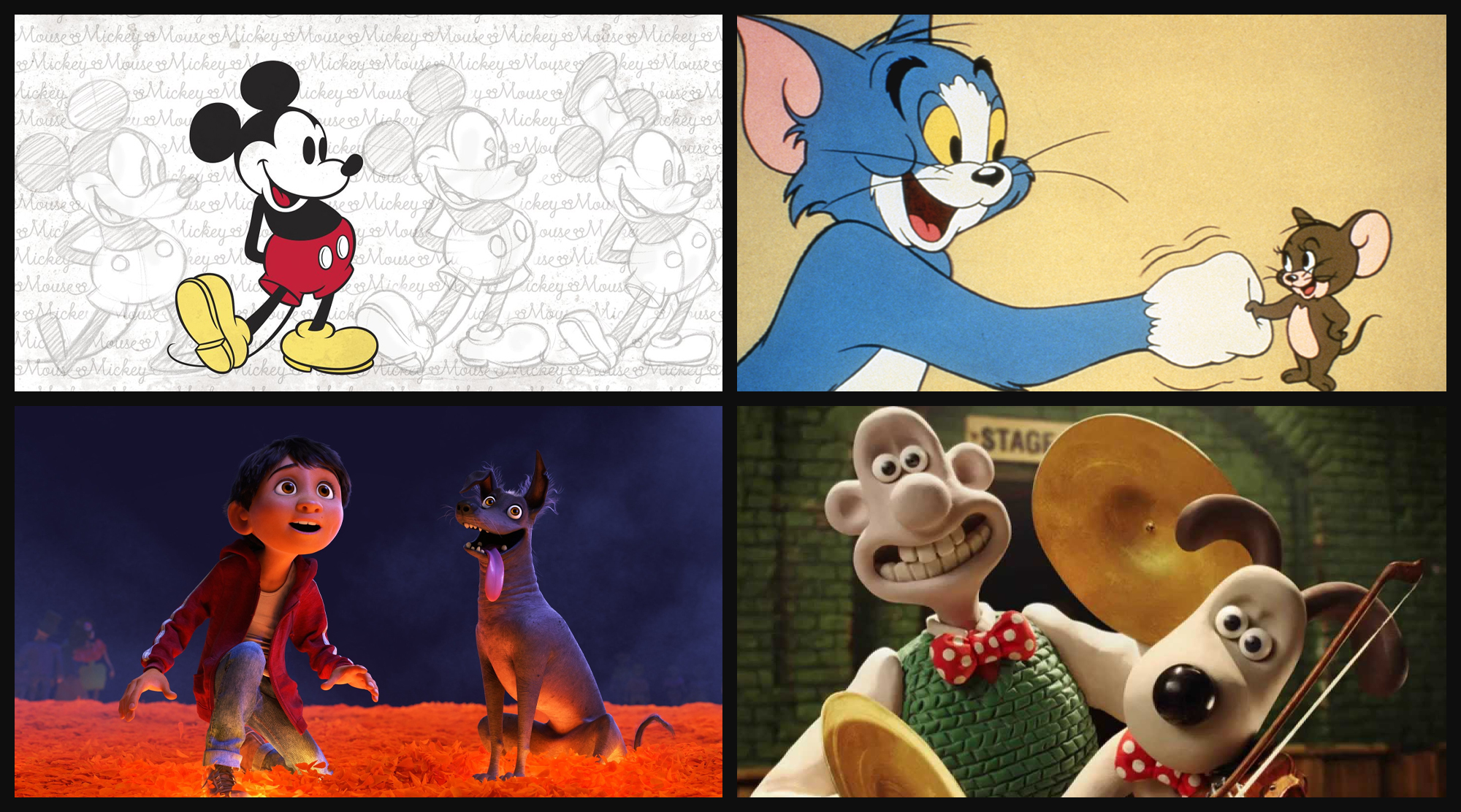
Ever wonder why some game characters feel so alive and responsive, while others feel stiff and lifeless? The secret often lies in how well the animation principles are applied to their movement. This isn't just about making things look pretty; it's about creating a believable and engaging experience for the player.
Many developers struggle to bridge the gap between static character models and fluid, believable animations. Achieving that sense of weight, momentum, and personality in a digital character's movements can be surprisingly difficult, leading to characters that feel disconnected from the game world or frustrating to control. It's more than just aesthetics; it impacts gameplay, immersion, and the overall player experience.
This article explores how the fundamental principles of animation can be applied to character movement design in games. We'll delve into how these principles bring virtual characters to life, making them more relatable, engaging, and fun to control. By understanding and implementing these techniques, developers can create immersive and satisfying gaming experiences for players.
We'll cover key animation principles like squash and stretch, anticipation, staging, follow through and overlapping action, and appeal, demonstrating how they translate to better character movement in games. We'll also explore how these principles impact gameplay feel, character personality, and overall player enjoyment. This knowledge helps create more dynamic, believable, and engaging game worlds. Character movement design is more than just moving a sprite or model, it's about injecting life and personality.
Squash and Stretch: Giving Characters Weight and Impact
One principle that always stuck with me was squash and stretch. I remember working on a 2D platformer early in my career, and the character's jump felt… lifeless. It was technically functional, but it lacked that satisfying oomph.It wasn't until I started exaggerating the character's form during the jump – squashing down on impact and stretching out during the ascent – that it truly came alive. The difference was night and day. Suddenly, the jump felt powerful, responsive, and just plain fun. This is because squash and stretch gives the illusion of weight and flexibility. When a character lands, squashing their form slightly implies that they have mass and are reacting to the impact of the landing. Conversely, stretching them out during a jump or run can convey speed and force. This principle isn't just visual; it has a profound impact on how the movementfeelsto the player. Imagine a character running across the screen. Without squash and stretch, they might appear to float, lacking a sense of connection to the ground. With it, each footfall becomes a dynamic and engaging moment. It's subtle, but it's the kind of detail that separates good character movement from exceptional character movement. Keep in mind that the degree to which you apply squash and stretch depends on the style of your game. A cartoony game might employ exaggerated squash and stretch, while a more realistic game would use it subtly to maintain believability.
Anticipation: Setting Up the Action
Anticipation is preparing the audience for an action. Think of a baseball pitcher winding up before throwing the ball or a character crouching before jumping. This brief "preparation" phase adds weight and impact to the subsequent action. In game design, this can be implemented in several ways. A character might pull their arm back before throwing a punch, or slightly lean back before charging forward. These subtle cues provide the player with information about what's about to happen, allowing them to react accordingly. Without anticipation, actions can feel abrupt and jarring. Imagine a character instantly launching into a jump without any preparation; it would feel unnatural and disconnected. By incorporating anticipation, you create a sense of build-up and release, making the action more satisfying. For example, consider a powerful melee attack. The character could subtly shift their weight, clench their fist, and draw back their arm before unleashing the attack. This creates a feeling of anticipation and power, making the attack feel more impactful. Properly executed anticipation not only enhances the visual appeal of the movement but also provides the player with valuable gameplay cues, improving responsiveness and control.
Staging: Directing the Player's Eye
Staging is the principle of presenting an action in a way that is clear and understandable to the audience. In animation, this often means carefully considering the character's pose, camera angle, and overall composition. In game development, staging is equally important. It's about ensuring that the player can easily understand what the character is doing and where they are going. A key aspect of staging in games is camera placement. The camera should be positioned in a way that provides a clear view of the character and their surroundings, allowing the player to easily navigate the environment and anticipate upcoming obstacles. The character's pose and animation should also be carefully considered. Avoid poses that are confusing or ambiguous. Instead, strive for poses that clearly communicate the character's intent and direction. For instance, if a character is about to jump over a gap, their pose should clearly convey that intention, with their body leaning forward and their legs coiled ready to spring. Effective staging can also be used to draw the player's attention to important elements in the environment, such as collectibles, enemies, or interactive objects. By strategically positioning these elements and using the character's movement to guide the player's eye, you can create a more engaging and intuitive gameplay experience.
Follow Through and Overlapping Action: Adding Realism
Follow through and overlapping action are the principles that add realism and fluidity to movement. Follow through refers to the idea that when a character stops moving, parts of their body will continue to move for a short period of time. For example, when a character stops running, their hair, clothing, and limbs will continue to move slightly due to inertia. Overlapping action refers to the idea that different parts of the body move at different rates. For example, when a character walks, their arms and legs move independently, creating a more natural and fluid motion. Implementing these principles in game character movement can greatly enhance the realism and believability of the animations. Instead of abrupt stops, characters should have a slight "settling" animation, with their limbs gradually coming to rest. Similarly, when a character performs an action, such as swinging a sword, different parts of their body should move at different speeds, creating a more dynamic and fluid motion. For example, the sword might reach its peak velocity slightly before the character's arm fully extends, and the character's body might continue to rotate slightly after the sword has stopped moving. These subtle details can make a significant difference in the overall feel of the character movement, making it more engaging and realistic.
Appeal: Making Characters Likeable
Appeal is the principle of making a character visually pleasing and engaging to the audience. This doesn't necessarily mean making them conventionally attractive; it means giving them a design that is interesting, memorable, and relatable. In game character design, appeal can be achieved through a variety of techniques, including: Distinctive silhouettes, expressive facial features, unique clothing and accessories, and personality-driven animations. A character with a strong silhouette is easily recognizable, even from a distance. Expressive facial features can convey a wide range of emotions, making the character more relatable and sympathetic. Unique clothing and accessories can help to define the character's personality and background. And personality-driven animations can bring the character to life, making them feel more authentic and engaging. For example, a shy character might have subtle, hesitant movements, while a confident character might have bold, exaggerated movements. By carefully considering these aspects of character design, you can create characters that resonate with players and leave a lasting impression. Ultimately, a character with strong appeal is more likely to be remembered and cherished by players, contributing to a more positive and immersive gaming experience.
Timing and Spacing: Creating the Right Pace
Timing and spacing are crucial elements that define the rhythm and weight of character movement. Timing refers to the number of frames used for a given action, while spacing refers to the distance covered between each frame. Mastering these two elements allows you to create a wide range of effects, from fast and energetic movements to slow and deliberate ones. For instance, increasing the spacing between frames during a character's jump creates the illusion of greater speed and distance. Conversely, decreasing the spacing and increasing the timing makes the jump feel heavier and more deliberate. Experimenting with different timing and spacing combinations can dramatically alter the feel of character movement. Fast, tightly spaced animations can convey a sense of urgency and excitement, while slow, widely spaced animations can create a feeling of power and weight. Consider a character throwing a punch. By using fast timing and tight spacing for the initial movement of the arm, and then gradually increasing the spacing towards the end of the punch, you can create a feeling of acceleration and impact. Similarly, you can use different timing and spacing to emphasize different aspects of a character's personality. A nervous character might have jerky, uneven movements, while a confident character might have smooth, consistent movements. By paying close attention to timing and spacing, you can create character movement that is both visually appealing and emotionally resonant.
Exaggeration: Amplifying the Action
Exaggeration is amplifying the action in animation. Exaggeration doesn't mean distorting the character beyond recognition; it means pushing their features and movements just enough to make them more expressive and impactful. In game character movement, exaggeration can be used to emphasize key actions and emotions. For example, if a character is surprised, their eyes might widen more than they normally would, or their body might recoil more dramatically. If a character is angry, their facial features might become more contorted, and their movements might become more aggressive. The key to effective exaggeration is to find the right balance. Too much exaggeration can make the character look cartoonish and unrealistic, while too little exaggeration can make the character look bland and uninteresting. It's important to carefully consider the style of your game and the personality of your character when deciding how much to exaggerate their movements. A cartoony game might benefit from more exaggerated movements, while a realistic game might require a more subtle approach. Similarly, a character with a larger-than-life personality might warrant more exaggerated movements than a character with a more reserved personality. When used effectively, exaggeration can make character movement more engaging, memorable, and emotionally resonant. It's a powerful tool for bringing characters to life and connecting with players on a deeper level.
Secondary Action: Enriching the Performance
Secondary action is adding smaller actions to support the main action, enriching the performance of animation. Secondary actions are the subtle movements that occur alongside the primary action, adding depth and realism to the animation. For example, when a character walks, the primary action is the movement of their legs, but the secondary actions include the swaying of their arms, the bobbing of their head, and the subtle shifting of their weight. These secondary actions make the movement feel more natural and less robotic. In game character movement, secondary actions can be implemented in a variety of ways. Clothing, hair, and accessories can be animated to react to the character's movements, creating a more dynamic and believable effect. Subtle facial expressions can be added to convey the character's emotions and reactions. And small, incidental movements, such as fidgeting or adjusting clothing, can be used to add personality and realism. The key to effective secondary action is subtlety. These movements should be noticeable, but they shouldn't distract from the primary action. They should simply add depth and richness to the overall performance. By paying attention to secondary actions, you can create character movement that feels more alive, engaging, and believable.
Fun Facts about Animation Principles in Games
Did you know that many of the animation principles we use in games today were first developed by Disney animators in the 1930s? These principles, often referred to as the "12 Basic Principles of Animation," were groundbreaking at the time and continue to influence animation in all forms, from cartoons to video games. One interesting fact is that some of the early video games intentionally broke some of the animation principles to create a unique visual style. The limited processing power of early consoles often forced developers to make creative compromises, leading to stylistic choices that became iconic. For example, the jerky, pixelated movements of characters in early arcade games had a distinct charm that wouldn't have been possible with smoother, more realistic animation. Another fun fact is that many modern games use motion capture technology to create realistic character movements. However, motion capture data often needs to be cleaned up and refined by animators to ensure that the movements are both realistic and engaging. Animators use the animation principles to polish the motion capture data, adding exaggeration, anticipation, and other elements to make the character movement more visually appealing. The animation principles are the foundation, motion capture is just the base.
How to Apply Animation Principles to Game Character Movement
Applying animation principles to game character movement is an iterative process that requires careful planning, experimentation, and refinement. The first step is to clearly define the character's personality, movement style, and role in the game. This will help you determine which animation principles are most important to emphasize. The next step is to create a set of keyframe animations that capture the essence of the character's movement. These keyframes should be carefully timed and spaced to create the desired rhythm and weight. Once the keyframes are in place, you can start to add secondary actions, exaggeration, and other details to enrich the performance. It's important to constantly review and refine the animations, paying close attention to how they feel and look in the context of the game. Get feedback from other developers and players, and be willing to make changes based on their suggestions. The best way to learn how to apply animation principles is to study the work of master animators and to experiment with different techniques yourself. Pay attention to the subtle details of character movement in games and movies, and try to replicate them in your own work. Don't be afraid to break the rules and experiment with new approaches, but always remember the fundamental principles that underlie all good animation. It's a journey of continuous improvement and learning.
What If We Ignored Animation Principles in Games?
Imagine a game where character movement is completely devoid of animation principles. Characters would move stiffly and robotically, lacking any sense of weight, momentum, or personality. Jumps would be instantaneous and unnatural, lacking the anticipation and impact that make them feel satisfying. Attacks would be abrupt and jarring, without any wind-up or follow-through. The overall effect would be a game that feels lifeless, unengaging, and frustrating to play. Without animation principles, it becomes harder for the player to connect with the character or understand their actions. The game world feels less immersive, reducing the player's sense of presence and engagement. While some games might intentionally break animation principles for stylistic effect, completely ignoring them would result in a game that is fundamentally less enjoyable. Animation principles are not just about making things look pretty; they are about creating a believable and engaging experience for the player. By understanding and applying these principles, developers can bring their virtual characters to life and create games that are both visually appealing and emotionally resonant.
A List of Animation Principles for Character Movement in Games
Here is a list of animation principles that you can use to bring your characters to life. Squash and Stretch: Gives the illusion of weight and flexibility. Anticipation: Prepares the audience for an action. Staging: Presents an action clearly. Follow Through and Overlapping Action: Adds realism and fluidity. Appeal: Makes characters visually pleasing. Timing and Spacing: Creates rhythm and weight. Exaggeration: Amplifies action. Secondary Action: Enriches performance. Solid Drawing: Ensures accurate forms. These principles are not mutually exclusive; they often work together to create a cohesive and engaging animation. The key is to understand how each principle works and how to apply it effectively to your character movement. Keep these handy, and remember that its not always about following them, but also breaking them to create something new.
Question and Answer
Q: What are the most important animation principles for game character movement?
A: While all the principles are important, squash and stretch, anticipation, and follow through are particularly crucial for creating believable and engaging movement.
Q: How can I learn more about animation principles?
A: There are many resources available online and in libraries, including books, articles, and video tutorials. Studying the work of master animators is also a great way to learn.
Q: Do animation principles apply to 3D games as well as 2D games?
A: Yes, the animation principles are fundamental and apply to all forms of animation, regardless of whether it's 2D or 3D.
Q: Is it okay to break animation principles?
A: Yes, but it should be done intentionally and for a specific purpose. Breaking the rules can sometimes create a unique and interesting visual style, but it's important to understand the principles first so you know what you're breaking and why.
Conclusion of Animation Principles for Games: Character Movement Design
Animation principles are an essential tool for game developers looking to create engaging and believable character movement. By understanding and applying these principles, you can bring your virtual characters to life, making them more relatable, enjoyable, and memorable. Remember that it's an iterative process that requires experimentation and refinement, but the rewards are well worth the effort. Start with the basics, practice consistently, and don't be afraid to push the boundaries. With dedication and creativity, you can create character movement that truly elevates your game.
Post a Comment