AR Game Development: Augmented Reality Game Creation
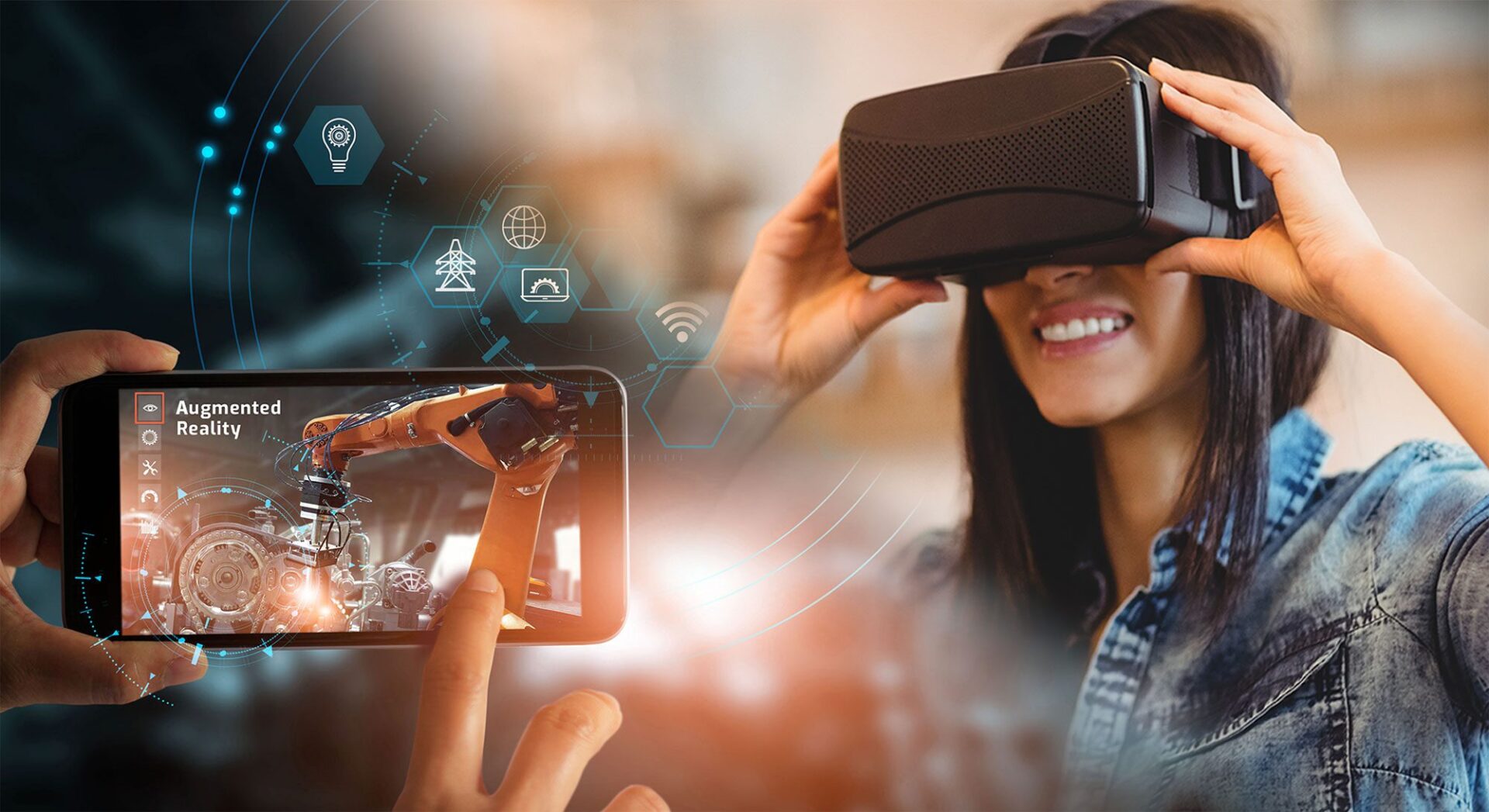
Imagine turning your living room into a magical forest, battling dragons on your daily commute, or solving mysteries hidden in plain sight. Augmented Reality (AR) games are making these fantasies a reality, blending the digital world seamlessly with our everyday lives. Are you ready to step into the future of gaming?
Bringing these kinds of experiences to life isn't always straightforward. Developers often find themselves wrestling with complex technologies, struggling to create engaging interactions, and battling to optimize performance across a wide range of devices. Making AR feel truly immersive and intuitive can feel like climbing a very steep hill.
This blog post is your guide to navigating the exciting world of AR game development. We'll explore the essential tools, techniques, and considerations for building captivating augmented reality experiences that push the boundaries of interactive entertainment.
From understanding the core principles of AR to mastering the intricacies of game design, this exploration provides a roadmap for creating compelling and immersive experiences. We'll discuss crucial aspects like choosing the right AR platform (ARKit, ARCore, etc.), designing intuitive user interfaces, optimizing performance for mobile devices, and crafting engaging gameplay mechanics. By the end, you'll be equipped with the knowledge and inspiration to start building your own AR game worlds.
The Allure of Augmented Reality
The beauty of AR lies in its ability to transform our surroundings. It's not just about playing a game; it's about experiencing a new reality layered on top of our own. I remember the first time I saw AR in action, playing an early prototype where I could "walk" through a portal into a different dimension using my phone as a window. The sense of wonder was incredible. It wasn't just a screen; it felt like a real doorway had opened up in my living room.
This sense of wonder is what makes AR so appealing, and this is the target of many. It's not just the novelty of seeing a digital object in your real world. Augmented reality is about the potential for new ways to interact with the world around us, a fresh way to explore stories, and a new way to connect with others. It’s about enriching our everyday experiences with a layer of magic and interactivity. Augmented reality uses a device such as a smartphone or tablet to overlay computer-generated images onto the real world. The allure lies in its ability to transform our familiar environment into something extraordinary. This target is about pushing the boundaries of interactive entertainment and creating experiences that are not just fun, but also transformative.
What Exactly is AR Game Development?
AR game development is the art and science of crafting interactive experiences that blend the real and virtual worlds. It's about using technology to create games that react to and interact with the player's environment in real-time. Think Pokemon GO, where creatures appear in your local park, or a puzzle game where you rearrange virtual blocks on your coffee table.
It's not just about adding digital elements to a real-world view; it's about creating a cohesive and believable integration. It requires careful consideration of factors like lighting, tracking, and occlusion to ensure that the virtual elements appear to exist naturally within the environment. Augmented reality game development requires a blend of technical skills, creative vision, and a deep understanding of user experience. It's about using specialized tools and techniques to create games that are not just visually appealing, but also interactive, engaging, and immersive.
A Brief History and the Myths of AR
The idea of AR has been around for decades, far longer than most people realize. Early experiments date back to the 1960s with head-mounted displays, but the technology was far from practical. It wasn’t until the advent of powerful smartphones and improved tracking technologies that AR truly began to take off.
One common myth is that AR is just a gimmick or a passing fad. However, its applications extend far beyond gaming, with use cases in education, healthcare, and retail. AR has demonstrated its potential to be a powerful tool for enhancing our understanding of the world around us and creating new forms of interaction. Augmented reality isn't about replacing reality, it's about enhancing it. Augmented reality can offer a deeper and more meaningful interaction with the world and enrich our everyday lives.
Unlocking the Hidden Secrets of AR Game Development
One of the biggest "secrets" to successful AR game development is understanding the importance of user experience (UX). Because AR games are played in the real world, factors like location, lighting, and distractions can significantly impact the player's experience. Game developers need to carefully design their games to be resilient to these challenges.
Another key secret is iterative testing. AR development often involves a lot of trial and error, as it can be difficult to predict how a game will play in different real-world environments. Developers should conduct thorough testing in various settings, gathering feedback from players to identify and address any issues. The secret of AR game development is optimizing for the unique challenges and possibilities of augmented reality. The hidden secret is embracing experimentation and constantly striving to improve the player's experience.
Recommendations for Aspiring AR Game Developers
If you're eager to dive into AR game development, my first recommendation is to start small. Don't try to build a massive, complex game right away. Instead, focus on creating a simple prototype that showcases a specific AR mechanic or interaction. For example, you could try building a game where players have to find hidden objects in their room, or a simple augmented reality version of a classic game like Tic-Tac-Toe.
Another recommendation is to familiarize yourself with the available tools and platforms. Unity and Unreal Engine are the most popular game engines for AR development, and both offer excellent support for ARKit and ARCore. Many online resources, tutorials, and communities that can help you learn the ropes. Stay up-to-date on the latest advancements in AR technology, and never be afraid to experiment and push the boundaries of what's possible. Find online communities and forums where you can connect with other AR developers, share your work, and get feedback. Augmented reality development requires dedication, creativity, and a willingness to learn.
Choosing the Right AR Platform
Choosing the correct AR platform is crucial for your game's success. ARKit (for i OS devices) and ARCore (for Android devices) are the two dominant players. Both platforms offer similar core functionalities like motion tracking, environment understanding, and light estimation. ARKit generally has a more mature ecosystem and potentially better performance on high-end i OS devices, while ARCore boasts broader device compatibility across the Android ecosystem.
Consider your target audience and the platforms they use. If you're aiming for a premium experience on the latest Apple devices, ARKit might be the better choice. If you want to reach a wider audience across various Android phones, ARCore might be more suitable. It's also possible to develop your game in a cross-platform engine like Unity or Unreal Engine, which allows you to build for both ARKit and ARCore from a single codebase, saving you time and effort. Evaluate the strengths and weaknesses of each platform based on your project requirements and target audience. Ultimately, the best platform is the one that best aligns with your goals and allows you to create the most compelling and immersive augmented reality experience.
Essential Tips for AR Game Development
One of the most critical tips for AR game development is to design with the real world in mind. Unlike traditional video games, AR games are played in unpredictable environments. Players might be walking, sitting, or standing in different lighting conditions. This means you need to create game mechanics and interfaces that are adaptable and easy to understand regardless of the player's surroundings.
Another essential tip is to prioritize performance. AR games can be resource-intensive, especially on mobile devices. It's crucial to optimize your code, use efficient assets, and minimize the number of virtual objects in the scene to maintain a smooth frame rate. If performance lags, the game is not going to be a good user experience. Be sure to test your game on a variety of devices to ensure it runs well on different hardware. Optimize your game to reduce battery consumption and prevent overheating. With careful planning and attention to detail, you can create a compelling AR game that players will enjoy playing again and again.
Understanding Spatial Awareness
Spatial awareness is the foundation of a good AR experience. It's how your game understands the physical space around the player and uses that information to create a believable integration of virtual elements. Both ARKit and ARCore provide robust spatial awareness capabilities, allowing your game to detect surfaces like floors, walls, and tables, as well as track the player's movement in the environment. This awareness allows you to create interactions that feel natural and intuitive. For example, you can place virtual objects on real-world surfaces, or create gameplay mechanics that involve the player physically moving around their environment. By leveraging spatial awareness effectively, you can create AR experiences that are truly immersive and engaging.
Fun Facts About AR Games
Did you know that Pokemon GO, one of the most successful AR games of all time, generated over $6 billion in revenue in its first few years? This incredible success demonstrated the massive potential of AR gaming and helped to popularize the technology among a mainstream audience. AR games are being used in innovative ways, from educational experiences that teach children about science and history to therapeutic applications that help people overcome phobias and anxieties.
The line between AR and Virtual Reality (VR) is becoming increasingly blurred, with many developers exploring mixed reality (MR) experiences that combine elements of both technologies. Augmented reality is an exciting and rapidly evolving field with endless possibilities. AR technology is rapidly changing the way we interact with the world around us. Whether it's playing a game, learning a new skill, or simply exploring your surroundings, AR is transforming the way we experience the world around us.
How to Create Your First AR Game
The first step in creating your AR game is to choose a game engine. As mentioned earlier, Unity and Unreal Engine are the most popular choices. Unity is generally considered easier to learn for beginners, while Unreal Engine offers more advanced features and graphical capabilities. Once you've chosen your engine, familiarize yourself with its AR development tools and resources. Download the ARKit or ARCore SDK, and start experimenting with the sample projects and tutorials.
Next, you'll need to design your game mechanics and user interface. Think about how you want players to interact with the virtual elements in their real-world environment. Create simple prototypes to test your ideas and gather feedback. Don't be afraid to iterate and refine your design based on player feedback. Once you're happy with your game design, start building out your game's assets and programming its core functionality. Remember to optimize for performance throughout the development process. Creating an augmented reality game requires patience, creativity, and a willingness to learn. With persistence and dedication, you can bring your vision to life and create an AR game that captivates players around the world.
What If... AR Games Became the Dominant Form of Entertainment?
Imagine a world where the lines between the digital and physical realms are completely blurred. Where every street corner holds a hidden quest, and every room becomes a new game environment. If AR games became the dominant form of entertainment, our lives would be transformed in countless ways.
We might see a decline in traditional video games and other forms of passive entertainment. People would be spending more time outdoors, exploring their surroundings, and interacting with others in the real world. Cities would become playgrounds, with augmented reality experiences layered on top of existing architecture and landscapes. Education and training could be revolutionized, with immersive AR simulations providing hands-on learning experiences. While the idea of AR games becoming the dominant form of entertainment is still speculative, it highlights the transformative potential of this technology and its ability to reshape our lives in profound ways.
Listicle: 5 Reasons to Be Excited About AR Game Development
1.Endless Creativity: AR opens up a whole new world of possibilities for game design, allowing you to create experiences that are impossible in traditional video games.
2.Immersive Experiences: AR games blur the line between the real and virtual worlds, creating a level of immersion that is unmatched by other forms of entertainment.
3.Real-World Interaction: AR encourages players to get up and move around, exploring their surroundings and interacting with others in the real world.
4.Rapid Growth: The AR market is booming, with new technologies and applications emerging all the time. This means there are endless opportunities for innovation and growth.
5.High Demand: There's a growing demand for skilled AR developers, making it a promising career path for those who are passionate about gaming and technology.
Question and Answer
Q: What are the most popular game engines for AR development?
A: Unity and Unreal Engine are the most widely used game engines for AR development. They offer robust support for ARKit and ARCore, along with a wide range of tools and resources.
Q: What is the difference between ARKit and ARCore?
A: ARKit is Apple's AR platform for i OS devices, while ARCore is Google's AR platform for Android devices. Both platforms offer similar core functionalities, but ARKit generally has better performance on high-end i OS devices, while ARCore boasts broader device compatibility across the Android ecosystem.
Q: What are some of the biggest challenges in AR game development?
A: Some of the biggest challenges include optimizing performance for mobile devices, creating intuitive user interfaces that work well in real-world environments, and designing game mechanics that are engaging and rewarding.
Q: What skills do I need to become an AR game developer?
A: You'll need a strong foundation in programming (C# or C++), game design principles, and 3D modeling. Familiarity with ARKit or ARCore is also essential.
Conclusion of AR Game Development: Augmented Reality Game Creation
Augmented reality game development is a thrilling field with the potential to revolutionize the way we experience games and interact with the world around us. While it presents its own unique set of challenges, the opportunities for creativity and innovation are boundless. Armed with the knowledge and insights shared in this post, you're well on your way to crafting your own captivating AR experiences and shaping the future of interactive entertainment. So, embrace the challenge, unleash your imagination, and get ready to build the next generation of augmented reality games!
Post a Comment