Game Development Workflow: Studio Production Pipeline
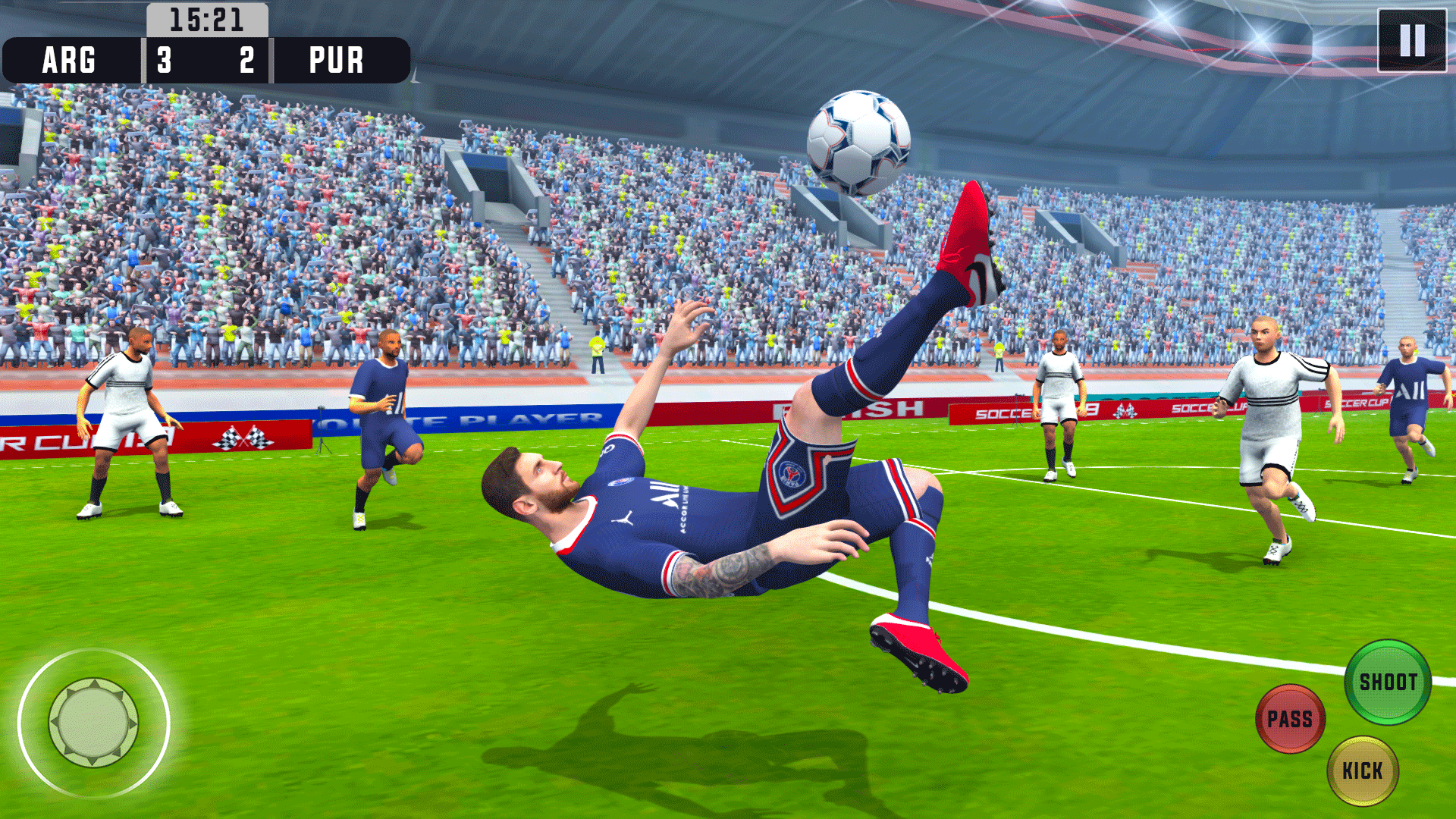
Ever wondered how your favorite video games come to life? It's not just a matter of coding and pretty graphics. There's a complex, carefully orchestrated process that takes a game from a glimmer of an idea to a finished product on your screen. Let's pull back the curtain and explore the fascinating world of game development workflows.
Without a well-defined roadmap, game development can quickly descend into chaos. Teams can find themselves working at cross-purposes, features might not mesh well, and the end result can be a far cry from the original vision. Missed deadlines, budget overruns, and team burnout are all too common when a solid production pipeline isn't in place.
This post aims to demystify the game development workflow, specifically focusing on the studio production pipeline. We'll break down the stages involved, highlight key roles and responsibilities, and explore how a streamlined process can make all the difference between a successful game launch and a development disaster.
In essence, a game development studio production pipeline is a structured framework that guides a game from concept to completion. It involves various stages, including pre-production (concept, design, and prototyping), production (asset creation, programming, and level design), and post-production (testing, bug fixing, and marketing). Key players include designers, artists, programmers, producers, and testers, all working collaboratively to bring the game to fruition. A well-defined pipeline ensures efficient collaboration, minimizes risks, and ultimately leads to a higher quality game.
Pre-Production: Laying the Foundation
I remember once working on a small indie game where we skipped proper pre-production. We were so eager to start coding and creating art that we dove straight in, without a clear plan. The result? A tangled mess of conflicting ideas, scrapped features, and a whole lot of wasted time. We ended up having to rewrite huge chunks of code and redo artwork because we hadn't properly defined the scope and vision of the game.
Pre-production is like laying the foundation for a house. It's where the initial ideas are fleshed out, the game's core mechanics are defined, and the overall vision is established. This stage involves brainstorming, creating concept art, writing design documents, and building prototypes. A strong pre-production phase helps to avoid costly mistakes later on and ensures that everyone is on the same page. Key aspects include defining the target audience, identifying the game's genre, and outlining the core gameplay loop. Market research, competitive analysis, and technological feasibility studies are also crucial during this phase. The output of pre-production is a comprehensive game design document that serves as a blueprint for the entire development process.
Production: Building the Game
The production phase is where the actual game development takes place. This involves creating the game's assets (art, sound, music), writing the code, designing the levels, and implementing the gameplay mechanics. It's a collaborative effort involving artists, programmers, designers, and audio engineers. Each team member works on their specific tasks, following the guidelines established during pre-production. Regular communication and collaboration are essential to ensure that everything fits together seamlessly. Agile development methodologies are often used to manage the production process, allowing for flexibility and adaptation as the game evolves. Testing and quality assurance are also integrated into the production phase to identify and fix bugs early on. The production phase culminates in a playable build of the game, ready for testing and refinement.
Post-Production: Polishing and Launching
Many believe that post-production is simply about fixing bugs, but it's so much more than that. It's about polishing the game to a shine, ensuring that it's ready for its grand debut. Post-production involves extensive testing, bug fixing, optimization, and localization. It's also the time to prepare marketing materials, such as trailers and screenshots, and to build hype for the game's launch. A well-executed post-production phase can make the difference between a mediocre game and a critical success. Key activities include conducting playtesting sessions, gathering feedback from players, and making adjustments based on that feedback. The game is also optimized for performance and stability, ensuring that it runs smoothly on the target platforms. Localization is the process of adapting the game for different languages and cultures, expanding its reach to a wider audience. Finally, the game is submitted to the appropriate platforms (e.g., Steam, App Store, Google Play) for distribution.
The Myth of the Lone Wolf Developer
The romanticized image of the lone wolf developer, coding away in isolation and single-handedly creating a masterpiece, is largely a myth. While some indie developers do work solo, most successful games are the result of collaborative efforts by teams of talented individuals. Game development is a complex and multifaceted process that requires a diverse range of skills and expertise. No single person can be an expert in all areas, from art and design to programming and marketing. A team allows for specialization, with each member focusing on their strengths and contributing their unique skills to the project. Collaboration also fosters creativity and innovation, as team members can bounce ideas off each other and challenge each other's assumptions. While it is possible to work alone the quality of the game and a team game cannot be compared and would not be the same.
The Hidden Secrets of a Successful Pipeline
One of the hidden secrets to a successful pipeline is not just having one, but tailoring it to the specific game and team. There’s no one-size-fits-all approach. A small indie team working on a mobile game will have a vastly different pipeline than a large studio developing a AAA title. The key is to understand the unique needs and constraints of your project and adapt the pipeline accordingly. Another secret is to embrace iteration and feedback. Don’t be afraid to experiment with different approaches and to solicit feedback from team members, playtesters, and even potential customers. The more feedback you gather, the better you can refine your pipeline and improve the quality of your game. The pipeline should not be a rigid structure, but a tool that is flexible enough to support the creative process.
Recommendations for Streamlining Your Workflow
Invest in project management software: Tools like Jira, Trello, or Asana can help you track tasks, manage deadlines, and facilitate communication within your team. Establish clear communication channels: Use a combination of instant messaging, email, and video conferencing to keep everyone informed and on the same page. Implement version control: Use a version control system like Git to track changes to your code and assets, making it easier to collaborate and revert to previous versions if necessary. Automate repetitive tasks: Look for opportunities to automate tasks such as building, testing, and deployment to free up your team to focus on more creative work. Conduct regular retrospectives: At the end of each sprint or milestone, take the time to reflect on what went well, what didn't, and how you can improve your workflow in the future. By implementing these recommendations, you can significantly improve the efficiency and effectiveness of your game development workflow.
The Importance of Documentation
Documentation is often overlooked, but it's a critical component of a successful game development workflow. Clear and concise documentation helps to ensure that everyone on the team understands the project goals, requirements, and processes. It also serves as a valuable reference for new team members and helps to prevent knowledge loss when people leave the team. Documentation should cover all aspects of the game, from the high-level design to the low-level implementation details. It should be kept up-to-date and easily accessible to everyone on the team. Common types of documentation include game design documents, technical specifications, art style guides, and testing plans. By investing in documentation, you can significantly improve communication, reduce errors, and increase the overall efficiency of your game development workflow. A well-documented project is also easier to maintain and update over time, ensuring its long-term viability.
Tips for Effective Team Communication
Effective team communication is crucial for a smooth and productive game development workflow. Here are some tips to improve communication within your team: Establish clear communication channels: Decide which communication tools (e.g., Slack, Discord, email) will be used for different types of communication. Set clear expectations for response times and availability. Encourage open and honest communication: Create a safe and supportive environment where team members feel comfortable sharing their ideas and concerns. Actively listen to each other and provide constructive feedback. Schedule regular team meetings: Use team meetings to discuss progress, address challenges, and make decisions. Keep meetings focused and efficient. Use visual communication: Use diagrams, flowcharts, and wireframes to communicate complex ideas and concepts visually. Document key decisions: Document important decisions and share them with the team to ensure that everyone is on the same page. By following these tips, you can foster a culture of effective communication within your team, leading to improved collaboration and a more successful game development workflow.
Agile Development Methodologies
Agile development methodologies have become increasingly popular in the game development industry. Agile emphasizes iterative development, frequent communication, and adaptability to change. Instead of following a rigid, linear plan, agile teams work in short cycles called sprints, delivering working software at the end of each sprint. This allows for continuous feedback and adaptation, ensuring that the game evolves to meet the needs of the players. Scrum and Kanban are two popular agile frameworks. Scrum uses sprints, daily stand-up meetings, and sprint reviews to manage the development process. Kanban uses a visual board to track tasks and manage workflow. Agile methodologies can help to improve team collaboration, reduce risks, and increase the overall quality of the game. However, it's important to note that agile is not a silver bullet. It requires a commitment from the entire team and a willingness to embrace change.
Fun Facts About Game Development Pipelines
Did you know that the term "pipeline" in game development comes from the oil industry? Just like oil flowing through a pipeline, game assets flow through a series of stages from creation to integration. Another fun fact is that many games have hidden "easter eggs" or secret features that are only discovered by dedicated players. These easter eggs are often added by developers as a fun way to reward players who explore the game world. And finally, the game development industry is constantly evolving, with new technologies and techniques emerging all the time. Virtual reality, augmented reality, and cloud gaming are just a few of the exciting trends that are shaping the future of game development. Staying up-to-date with the latest trends and technologies is essential for game developers who want to stay competitive in the industry.
How to Build Your Own Game Development Pipeline
Building your own game development pipeline can seem daunting, but it's a worthwhile investment that can significantly improve your team's efficiency and productivity. Start by identifying the key stages of your development process: Pre-production, production, and post-production. Define the tasks and deliverables for each stage. Choose the tools and technologies that will support your pipeline. This might include project management software, version control systems, asset management tools, and game engines. Document your pipeline and share it with your team. Regularly review and refine your pipeline based on feedback from your team and lessons learned from previous projects. Remember that your pipeline is a living document that should evolve as your team grows and your projects become more complex. Don't be afraid to experiment with different approaches and to adapt your pipeline to meet the specific needs of your projects.
What If You Don't Have a Proper Pipeline?
Without a proper pipeline, game development can become a chaotic and unpredictable process. Tasks can get lost or forgotten, deadlines can be missed, and communication can break down. The quality of the game can suffer, and the team can become demoralized. In the worst-case scenario, the project can be canceled altogether. Even if the game is eventually released, it may be riddled with bugs and lack polish. A lack of a clear pipeline can also make it difficult to estimate costs and timelines accurately, leading to budget overruns and missed deadlines. Furthermore, it can be challenging to onboard new team members or to scale the project as it grows. A well-defined pipeline provides structure, clarity, and accountability, helping to ensure that the project stays on track and that the team is able to deliver a high-quality game on time and within budget. Ignoring the need for a solid pipeline is like trying to build a house without a blueprint – it's a recipe for disaster.
Listicle: 5 Ways to Improve Your Game Development Workflow
1. Use a project management tool: Tools like Jira, Trello, or Asana can help you track tasks, manage deadlines, and facilitate communication within your team.
2. Implement version control: Use a version control system like Git to track changes to your code and assets, making it easier to collaborate and revert to previous versions if necessary.
3. Automate repetitive tasks: Look for opportunities to automate tasks such as building, testing, and deployment to free up your team to focus on more creative work.
4. Conduct regular retrospectives: At the end of each sprint or milestone, take the time to reflect on what went well, what didn't, and how you can improve your workflow in the future.
5. Invest in training: Provide your team with the training and resources they need to stay up-to-date with the latest technologies and techniques. By implementing these five tips, you can significantly improve the efficiency and effectiveness of your game development workflow.
Question and Answer Section
Q: What is the most important stage in the game development pipeline?
A: While all stages are important, pre-production is arguably the most critical. A strong foundation laid during pre-production can prevent costly mistakes and ensure that everyone is on the same page.
Q: How can I improve communication within my game development team?
A: Establish clear communication channels, encourage open and honest communication, schedule regular team meetings, and use visual communication to convey complex ideas.
Q: What are the benefits of using agile development methodologies?
A: Agile methodologies can improve team collaboration, reduce risks, and increase the overall quality of the game by emphasizing iterative development and adaptability.
Q: Is it possible to create a successful game without a formal pipeline?
A: While it's possible, it's highly risky. A well-defined pipeline provides structure, clarity, and accountability, increasing the chances of a successful game launch.
Conclusion of Game Development Workflow: Studio Production Pipeline
The studio production pipeline is the backbone of any successful game development project. By understanding the stages involved, the roles and responsibilities of team members, and the importance of communication and collaboration, you can create a streamlined workflow that leads to higher quality games, delivered on time and within budget. Remember to tailor your pipeline to the specific needs of your project and to continuously review and refine it based on feedback and lessons learned. With a well-defined pipeline in place, you can transform your game development dreams into reality.
Post a Comment