Lighting Design for Games: Atmospheric and Functional Lighting
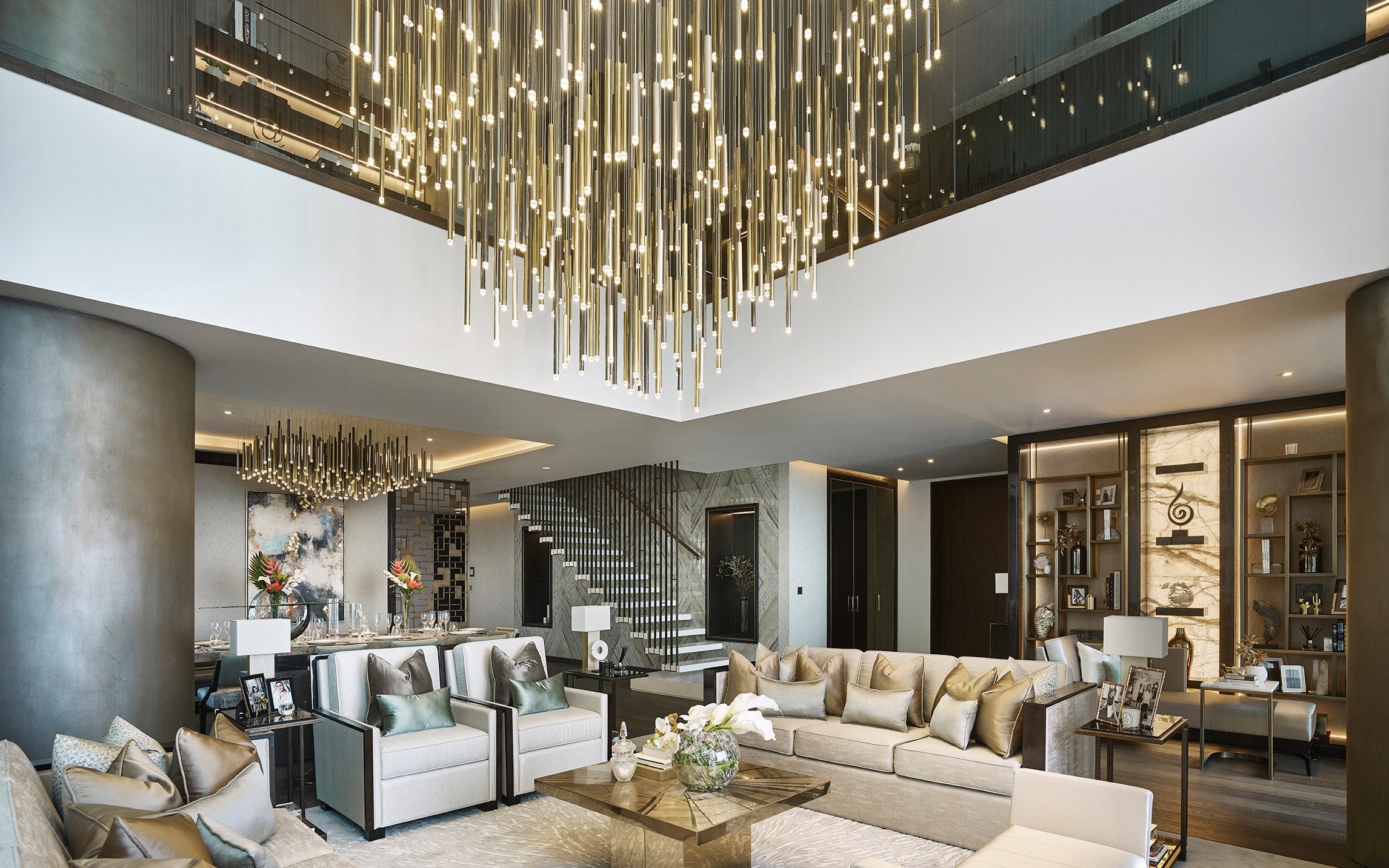
Ever walked into a game world and felt… nothing? No chills down your spine in a spooky hallway, no warmth from a crackling fire in a cozy tavern? Chances are, the lighting wasn't doing its job. It's more than just making things visible; it's about crafting an experience.
Getting the lighting right in games can feel like navigating a maze blindfolded. It's tricky balancing performance with visual appeal. Do you prioritize smooth frame rates or stunning god rays that bring your high-end rigs to their knees? Then there's the art of making sure players can actuallyseewhat they're doing without sacrificing the mood you're trying to create. Too bright, and the tension is gone; too dark, and players are just fumbling around in the void.
This guide aims to shed light (pun intended!) on the art and science of lighting design for games. We'll explore how to create immersive atmospheres and guide players effectively using light and shadow. We will delve deep into atmospheric and functional lighting. We'll cover the essentials for crafting visually compelling and functionally sound lighting schemes.
In essence, we'll be diving into the crucial aspects of game lighting, focusing on how it shapes both the look and the gameplay experience. We’ll touch upon everything from setting the mood to ensuring player guidance and visibility. This guide provides a comprehensive overview of achieving effective and evocative lighting in your games, covering atmospheric design, functional considerations, and optimization strategies. So, buckle up as we explore the world of light!
The Art of Atmosphere
For me, the power of atmospheric lighting really hit home when I was working on a small indie horror project. Initially, we had the basics covered: rooms were visible, enemies were lit, but the game just wasn't scary. It felt… flat. Then, we started experimenting with dynamic shadows, flickering lights, and subtle color grading. Suddenly, the same environment felt oppressive and unsettling. A single flickering lightbulb casting long, dancing shadows transformed a mundane corridor into a terrifying gauntlet. That's when I truly understood that lighting wasn't just about illumination; it was about emotion. Good atmospheric lighting sets the stage, creating the mood and tone of your game world. It uses elements like color, intensity, and shadow to evoke feelings of dread, wonder, joy, or any other emotion you desire. It is about strategically placing light sources to guide the player's eye, create focal points, and reveal the narrative of the environment. Think about how a single shaft of light through a dusty window can tell a story of abandonment and decay. Or how a warm, inviting glow from a fireplace can create a sense of safety and comfort.
Functional Lighting: Guiding the Player
Functional lighting serves a far more pragmatic purpose: directing player attention, highlighting interactive elements, and ensuring a clear path forward. It's the silent guide, subtly nudging players in the right direction without breaking immersion. Think of the strategically placed torches in a dark dungeon, not just providing visibility, but also hinting at the intended route. Or the brightly lit doorway signaling the exit from a complex maze. The key is subtlety. Overt signposting can feel artificial and jarring. Instead, use light to subtly emphasize important features, such as highlighting a climbable ledge with a soft glow or using contrasting colors to draw attention to a critical switch. Consider also the user experience. Effective functional lighting helps prevent player frustration, reducing the likelihood of players getting lost or overlooking crucial objectives. It's about creating a seamless and intuitive gameplay experience, where the environment itself communicates the necessary information. A well-lit environment is not only visually appealing but also intuitively navigable. This is crucial for maintaining player engagement and preventing frustration.
The History and Myth of Lighting in Games
In the early days of gaming, lighting was a crude approximation. Think of the simple color palettes and blocky shadows of 8-bit games. Yet, even within those limitations, developers found clever ways to use light and dark to create atmosphere and guide players. As technology advanced, so did the sophistication of lighting techniques. The introduction of dynamic lighting in games like Doom 3was a watershed moment, demonstrating the power of realistic shadows and light sources to enhance immersion and create a truly terrifying experience. Myths around lighting in games often center on the idea that "more is better." Players and sometimes even developers fall into the trap of thinking that higher resolution textures, more complex lighting effects, and more numerous light sources will always lead to a better-looking game. However, this is rarely the case. Optimization is key. A beautifully lit scene can quickly become unplayable if it tanks the frame rate. It's a balance of quality and performance. Another common myth is that lighting is solely the domain of artists. While artists are primarily responsible for the aesthetic aspects of lighting, designers and programmers also play a crucial role in ensuring that the lighting is functional and performant. A collaborative approach is vital to achieving truly effective lighting.
Hidden Secrets of Lighting Design
One of the hidden secrets of lighting design is the power of negative space – the absence of light. Strategically placed shadows can be just as effective as bright light sources in creating depth, atmosphere, and drama. Too much light can wash out a scene and make it feel flat, while carefully crafted shadows can add contrast and reveal hidden details. Another secret is the use of indirect lighting. While direct light sources are important, indirect lighting, which is light that bounces off surfaces, can significantly enhance the realism and believability of a scene. Implementing realistic light bouncing in game engines can be computationally expensive, but even subtle approximations can make a big difference. Moreover, color theory plays a huge role. Understanding how different colors interact with light and how they affect human perception is essential for creating compelling lighting schemes. Warm colors like red and orange can evoke feelings of warmth and comfort, while cool colors like blue and green can create a sense of tranquility or unease. Experimenting with different color palettes and color grading can dramatically alter the mood of your game world. The power of these secrets lies in their subtle yet powerful impact on the overall player experience.
Recommendations for Lighting Design
When approaching lighting design for your game, I always recommend starting with a clear vision. Define the mood and atmosphere you want to create, and then choose your lighting techniques accordingly. Don't just throw in a bunch of lights and hope for the best. Plan your lighting strategy carefully, considering both aesthetic and functional requirements. Another important recommendation is to use reference materials. Look at real-world examples of lighting in architecture, photography, and film to get inspiration and understand how light interacts with different materials and environments. Studying the work of master painters and cinematographers can provide valuable insights into the art of lighting. I also recommend using a modular approach to lighting. Break down your environment into smaller sections and light each section individually. This allows you to fine-tune the lighting in each area and optimize performance more effectively. Finally, don't be afraid to experiment. Lighting design is an iterative process. Try different techniques, experiment with different color palettes, and see what works best for your game. Playtest your lighting in different conditions to ensure it looks good and functions well in all situations. Listen to feedback from other developers and players, and be willing to make changes based on their input.
Optimizing Lighting for Performance
Optimizing lighting is crucial for ensuring smooth gameplay, especially on lower-end hardware. Real-time lighting can be computationally expensive, so it's important to use techniques that minimize the performance impact. One common optimization technique is baking static lighting. This involves pre-calculating the lighting for static objects in your environment and storing the results in lightmaps. This reduces the amount of real-time lighting that needs to be calculated, improving performance significantly. Another optimization technique is using light culling. This involves disabling lights that are not visible to the player, reducing the number of lights that need to be rendered. Light culling can be implemented using various techniques, such as frustum culling and occlusion culling. Also, consider limiting the number of dynamic lights in your scene. Dynamic lights are those that can move or change in real-time, and they are typically more expensive to render than static lights. Use dynamic lights sparingly, and only where they are truly necessary. Another technique is using lower resolution lightmaps. Lower resolution lightmaps require less memory and are faster to render, but they may also result in lower quality lighting. Experiment with different lightmap resolutions to find a balance between performance and visual quality. Careful planning and optimization are essential for achieving both beautiful and performant lighting in your game.
Practical Tips for Game Lighting
When you're lighting a game, remember to think about the player's perspective. What do you want them to see? What should stand out? Guide their eyes using light and shadow. Bright lights can draw attention to important objects or pathways. Dark areas can create a sense of mystery or danger. Don't be afraid to use color. Different colors evoke different emotions. A warm, yellow light can make a space feel cozy and inviting, while a cool, blue light can create a sense of foreboding. Experiment with different color combinations to see what works best for your game. Also, consider the time of day. The lighting should change depending on whether it's morning, afternoon, or night. This can add a lot of depth and realism to your game world. Use ambient lighting to fill in the shadows and create a more natural look. Ambient lighting is a general, diffuse light that comes from all directions. It can help to soften the harshness of direct lighting and make the scene feel more believable. Finally, remember to optimize your lighting for performance. Too many lights or too complex lighting effects can slow down your game. Use lightmaps and other optimization techniques to keep your frame rate high. All this together creates immersive gaming experience.
Understanding Light Source Types
Game engines typically offer several types of light sources, each with its own characteristics and uses. Point lights emit light in all directions from a single point. They are useful for simulating things like lightbulbs, candles, and torches. Spotlights emit light in a cone shape. They are useful for highlighting specific areas or objects. Directional lights emit light in a single direction, simulating sunlight or moonlight. They are useful for lighting large areas evenly. Area lights emit light from a rectangular or square area. They are useful for simulating things like fluorescent lights and window light. Finally, emissive materials act as light sources themselves. They are useful for creating glowing objects. Understanding the different types of light sources and their properties is essential for creating realistic and visually appealing lighting in your game. Experiment with each type to see how it affects the scene and how you can use it to achieve your desired look. Knowing what each light source brings to the table will greatly enhance the lighting aesthetic.
Fun Facts About Game Lighting
Did you know that the term "god rays" in game lighting actually comes from real-world atmospheric phenomena? God rays, also known as crepuscular rays, are beams of sunlight that appear to radiate from a single point in the sky, often passing through gaps in clouds or trees. Game developers use similar techniques to simulate this effect, creating a sense of awe and grandeur. Another fun fact is that the earliest video games had no dynamic lighting at all. Lighting was simply baked into the textures, meaning that it couldn't change in real-time. It wasn't until the advent of 3D graphics and more powerful hardware that dynamic lighting became possible. Lightmaps, a technique for pre-calculating and storing lighting information, were originally developed to work around the limitations of early graphics hardware. Today, lightmaps are still widely used in games to improve performance. Also, many developers use real-world photographs and lighting setups as references when creating lighting for their games. This helps to ensure that the lighting is realistic and believable. Games can even use light to influence gameplay, making areas with specific lighting dangerous or advantageous. These facts showcase the creativity and technical skill involved in game lighting.
How to Implement Lighting Design
Implementing effective lighting design starts with understanding your game engine's lighting tools and features. Familiarize yourself with the different types of lights available, their properties, and how they interact with materials. Create a lighting plan or vision board. This will help you stay focused and consistent as you implement your lighting. It should include examples of real-world lighting, color palettes, and descriptions of the mood and atmosphere you want to create. Begin by establishing the key light sources in your environment. These are the lights that will have the biggest impact on the overall look and feel of the scene. Place these lights strategically to highlight important areas and create focal points. Once you have established the key light sources, add fill lights to soften the shadows and create a more natural look. Fill lights are weaker lights that are used to fill in the gaps between the key lights. Be sure to adjust the color and intensity of your lights to achieve the desired mood and atmosphere. Experiment with different color combinations and light intensities to see what works best for your game. Finally, optimize your lighting for performance. Use lightmaps, light culling, and other optimization techniques to keep your frame rate high. Remember, iterative testing and feedback are essential throughout the implementation process.
What If Lighting Design Was Ignored?
If lighting design were ignored, games would lack depth, atmosphere, and visual appeal. Environments would feel flat, lifeless, and unconvincing. Players would struggle to navigate the game world, as important objects and pathways would not be highlighted effectively. Combat encounters would be less exciting, as the impact of explosions and other effects would be diminished. Storytelling would suffer, as the mood and atmosphere of the game would not be effectively conveyed. Also, there would be a decrease in the player engagement. Without proper lighting, the game would be less immersive and less enjoyable to play. Player frustration would increase, as they would struggle to see and interact with the environment. The overall quality of the game would be significantly diminished. For example, imagine a horror game with flat, even lighting. The tension would be completely gone, and the scares would fall flat. Or imagine an open-world game with no day-night cycle or weather effects. The world would feel static and lifeless. Lighting is not just an aesthetic detail; it's a fundamental element of game design that significantly impacts the player experience. Games would become a shadow of themselves without proper lighting design. Imagine the difference between a beautifully lit stage play and one lit only by the house lights; the emotional impact would be drastically different.
Listicle: Top 5 Lighting Mistakes in Games (and How to Fix Them!)
1.Overly Bright Lighting: Solution: Adjust the brightness of your lights and use shadows to create depth and contrast.
2.Inconsistent Lighting: Solution: Use a consistent color palette and lighting style throughout the game.
3.Poorly Optimized Lighting: Solution: Use lightmaps, light culling, and other optimization techniques to improve performance.
4.Lack of Atmosphere: Solution: Use color, shadows, and other lighting effects to create a mood and atmosphere.
5.Ignoring the Player's Perspective: Solution: Consider what the player needs to see and guide their eyes using light and shadow. Proper lighting is a powerful means to bring your games to life. By avoiding these mistakes, you’ll be able to enhance the player experience and make your game visually and emotionally engaging. Remember, every light source contributes to the overall experience and should be thoughtfully considered in your design.
Question and Answer
Q: What is the difference between ambient and direct lighting?
A: Ambient lighting is a general, diffuse light that comes from all directions, filling in shadows and creating a more natural look. Direct lighting is a focused light that comes from a specific source, such as a lightbulb or the sun, creating strong shadows and highlights.
Q: How can I optimize lighting for mobile games?
A: Use lightmaps to bake static lighting, limit the number of dynamic lights, use lower resolution textures, and disable shadows on less important objects. Mobile game optimization needs to be thought of earlier, to create a fun gaming experience.
Q: What are some good resources for learning more about lighting design?
A: There are many online tutorials, books, and courses available on lighting design. Search for resources specific to your game engine or art software. Look into resources such as documentation and community forums.
Q: How important is color in lighting design?
A: Color is extremely important. Different colors evoke different emotions and can significantly impact the mood and atmosphere of your game. Experiment with different color combinations to see what works best for your game.
Conclusion of Lighting Design for Games: Atmospheric and Functional Lighting
Mastering lighting design is a rewarding journey that significantly elevates the quality and impact of your games. By understanding the principles of atmospheric and functional lighting, and by continuously experimenting with different techniques and tools, you can create visually stunning and emotionally engaging experiences for your players. The power of light is immense, and its skillful application will undoubtedly set your games apart.
Post a Comment