Procedural Audio: Dynamic Sound Generation for Games
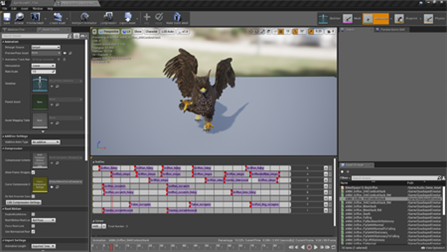
Imagine a world where every footstep, every explosion, every rustling leaf in your game sounds unique and perfectly tailored to the environment. No more repetitive sound effects breaking the immersion. Sounds too good to be true? Well, it's not. Welcome to the world of procedural audio!
Creating immersive soundscapes for games traditionally relies on recording and implementing pre-made audio files. However, this approach can lead to limitations. Storage space becomes a concern with vast libraries of sounds. Repetition is a constant battle as the same sound effects are replayed. And adapting audio to dynamic game events or environments often feels like a compromise, never quite hitting the mark.
Procedural audio offers a powerful solution to these problems by generating sound in real-time using algorithms and parameters. Instead of relying on static sound files, procedural audio empowers developers to create dynamic, responsive, and virtually limitless soundscapes that react to the player's actions and the game world's ever-changing state.
This exploration of procedural audio will delve into its core principles, benefits, applications, and implementation. We'll uncover how it can elevate the audio experience in games, leading to unparalleled immersion and realism. Get ready to discover the power of dynamic sound generation!
The Allure of Dynamic Sound
I remember working on a small indie game years ago, a simple platformer. We painstakingly recorded various jump sounds, landing sounds, and environmental effects. But no matter how many variations we created, the repetition became glaringly obvious after just a few minutes of gameplay. It felt like a cheap loop playing on repeat, constantly pulling you out of the experience. That's when I first stumbled upon the concept of procedural audio and was immediately captivated. The idea of creating sounds programmatically, on the fly, based on game parameters, was a revelation. Imagine a character jumping, and the landing sound changes depending on the surface they land on - wood sounds different from metal, dirt sounds different from water. And all of this generated in real-time without a single pre-recorded file! This is the magic of dynamic sound. Procedural audio allows for sound effects to be intricately linked to game events. A car engine's rumble can dynamically adjust based on speed and terrain. The crackling of a fire can vary based on the amount of fuel. This level of detail creates a world that feels alive and responsive, reacting realistically to the player's actions. The possibilities are truly endless, limited only by the creativity of the sound designer and programmer.
What is Procedural Audio?
Procedural audio, also known as dynamic audio or algorithmic audio, is the method of creating sound effects and music algorithmically through code, rather than relying on pre-recorded samples. Instead of storing and playing back static audio files, procedural audio systems use algorithms and mathematical models to generate sound in real-time based on various parameters. These parameters can be linked to game events, player actions, environmental factors, and more, allowing for a high degree of customization and responsiveness. The core of procedural audio lies in its ability to generate sound on demand. Imagine a game where the wind howls realistically through a forest. Instead of a looping wind sound, the procedural audio system analyzes the virtual wind speed, direction, and density of the trees. It then uses this information to generate a unique, constantly evolving wind sound that perfectly matches the environment. This dynamic approach eliminates repetition and creates a more immersive and believable soundscape. Furthermore, procedural audio excels at creating sounds that are difficult or impossible to record naturally, such as futuristic weapon sounds, magical spells, or alien environments. By manipulating parameters and algorithms, sound designers can craft unique and otherworldly sounds that perfectly fit the game's aesthetic.
History and Myths of Procedural Audio
While the term "procedural audio" might seem modern, the concept has roots stretching back decades. Early pioneers experimented with sound synthesis and algorithmic composition in the 20th century, laying the groundwork for today's techniques. However, it wasn't until the rise of powerful computers and game consoles that procedural audio truly began to flourish. One common myth surrounding procedural audio is that it's overly complex and requires advanced programming skills. While a strong understanding of programming and audio synthesis is beneficial, there are now numerous tools and libraries available that simplify the process. These tools provide user-friendly interfaces and pre-built algorithms, allowing sound designers with limited programming experience to create impressive procedural audio systems. Another myth is that procedural audio sounds "artificial" or robotic.While early implementations may have suffered from these issues, modern techniques and sophisticated algorithms allow for the creation of rich, nuanced, and incredibly realistic sounds. By carefully crafting the algorithms and parameters, sound designers can achieve a level of realism that surpasses traditional sample-based approaches. The history of procedural audio is a testament to human creativity and technological advancement, and its future is filled with exciting possibilities.
The Hidden Secret of Procedural Audio
The hidden secret of procedural audio lies not just in its technical capabilities, but in its potential to create truly unique and memorable audio experiences. It's about moving beyond simply replicating real-world sounds and instead crafting entirely new soundscapes that enhance the game's atmosphere and narrative. Think about the iconic sound of a lightsaber from Star Wars. It's not a sound found in nature, but it's instantly recognizable and deeply evocative. Procedural audio allows sound designers to create similar signature sounds for their games, sounds that become integral to the game's identity. Another hidden advantage of procedural audio is its adaptability. Unlike pre-recorded samples, procedural sounds can be easily modified and adjusted to fit different situations. Imagine a weapon sound that changes based on the player's upgrades or a monster's roar that evolves as it takes damage. This level of dynamic feedback creates a more engaging and satisfying player experience. Furthermore, procedural audio can be used to create personalized audio experiences for each player. By tracking the player's actions and preferences, the game can dynamically adjust the audio to create a soundscape that is tailored to their individual play style. This level of customization can significantly enhance immersion and create a more personal connection to the game world.
Recommendations for Procedural Audio
For those eager to explore the world of procedural audio, there are numerous resources and tools available to help you get started. One highly recommended tool is FMOD Studio, a powerful audio middleware solution that includes robust procedural audio capabilities. FMOD Studio allows you to create complex audio systems using a visual scripting interface, making it accessible to both programmers and sound designers. Another excellent resource is Pure Data (Pd), a free and open-source visual programming language that is widely used for creating interactive audio and music. Pd provides a flexible and powerful environment for experimenting with different sound synthesis techniques and algorithms. In addition to these tools, there are also numerous online tutorials, workshops, and communities dedicated to procedural audio. These resources offer valuable insights, tips, and techniques for creating stunning procedural audio systems. When learning procedural audio, it's important to start with the basics and gradually work your way up to more complex techniques. Experiment with different synthesis methods, learn how to use parameters to control sound characteristics, and don't be afraid to try new things. The key is to have fun and explore the endless possibilities of dynamic sound generation.
Getting Started with Sound Synthesis
Sound synthesis is the foundation of procedural audio, encompassing various techniques for creating sound from scratch using mathematical models and algorithms. Understanding the different synthesis methods is crucial for crafting unique and compelling sounds. One of the most common synthesis techniques is subtractive synthesis, which involves starting with a rich sound source, such as a sawtooth wave or a square wave, and then filtering out certain frequencies to shape the tone. This technique is particularly well-suited for creating warm, organic sounds. Another popular synthesis method is additive synthesis, which involves combining multiple sine waves at different frequencies and amplitudes to create complex waveforms. This technique allows for precise control over the harmonic content of the sound and is often used to create bright, metallic sounds. Frequency modulation (FM) synthesis is another powerful technique that involves modulating the frequency of one oscillator with another. This can create complex and evolving sounds with rich harmonic textures. Wavetable synthesis involves playing back pre-recorded waveforms, known as wavetables, and manipulating them in real-time. This technique allows for a wide range of sonic possibilities, from realistic instrument sounds to abstract textures. By mastering these fundamental synthesis techniques, you'll be well-equipped to create a vast array of sounds for your games.
Tips for Implementing Procedural Audio
Implementing procedural audio in your game requires careful planning and execution. One crucial tip is to design your audio system with modularity in mind. This means breaking down complex sounds into smaller, reusable components that can be easily combined and modified. For example, a weapon sound could be composed of separate modules for the firing sound, the reload sound, and the impact sound. This modular approach allows you to create variations of the sound by simply swapping out or modifying individual modules. Another important tip is to optimize your algorithms for performance. Procedural audio can be computationally intensive, so it's crucial to ensure that your algorithms are efficient and don't consume too much processing power. This can involve using optimized math libraries, caching intermediate results, and carefully profiling your code to identify bottlenecks. It's also important to test your procedural audio system thoroughly on different hardware configurations to ensure that it performs well on a variety of devices. Don't be afraid to experiment and iterate on your designs. Procedural audio is an iterative process, and it often takes multiple attempts to achieve the desired results. Be open to feedback, and don't be afraid to try new approaches. The more you experiment, the better you'll become at crafting compelling and dynamic soundscapes for your games.
Balancing Realism and Abstraction
A key challenge in procedural audio design is finding the right balance between realism and abstraction. While it's tempting to try to replicate real-world sounds as accurately as possible, this approach can sometimes lead to underwhelming results. Real-world sounds are often complex and nuanced, and capturing all of those details in a procedural system can be extremely difficult. Furthermore, striving for absolute realism can sometimes detract from the game's overall atmosphere and aesthetic. In many cases, it's more effective to focus on creating sounds that are evocative and emotionally resonant, rather than perfectly realistic. This might involve simplifying certain aspects of the sound, exaggerating others, or even creating entirely new sounds that don't exist in the real world. The goal is to create sounds that enhance the player's immersion and contribute to the overall game experience. Ultimately, the best approach depends on the specific game and its desired aesthetic. Some games might benefit from a more realistic soundscape, while others might thrive with a more stylized or abstract approach. The key is to experiment and find what works best for your game.
Fun Facts About Procedural Audio
Did you know that procedural audio was used extensively in the classic game "Elite" to create the sounds of the spaceships and lasers? Due to the limitations of the hardware at the time, pre-recorded samples were simply not feasible. Instead, the developers relied on clever algorithms to generate the sounds in real-time. Another fun fact is that procedural audio is often used in generative music systems. These systems use algorithms to create music that evolves and changes over time, responding to player actions or environmental events. This can create a truly dynamic and immersive musical experience. Procedural audio is also used in scientific research to create simulations of complex acoustic phenomena. For example, researchers have used procedural audio techniques to model the sound of earthquakes, volcanic eruptions, and even the human voice. The versatility of procedural audio makes it a valuable tool in a wide range of fields, from gaming to science to art. As technology continues to advance, we can expect to see even more innovative and creative applications of procedural audio in the future.
How to Create Procedural Audio
Creating procedural audio involves a combination of programming, sound design, and mathematical modeling. The first step is to choose a suitable tool or library. As mentioned earlier, FMOD Studio and Pure Data are excellent options. Next, you'll need to define the parameters that will control the sound. These parameters can be anything from the player's speed and position to the environmental conditions. Once you've defined the parameters, you'll need to create the algorithms that will generate the sound based on those parameters. This might involve using synthesis techniques, such as subtractive synthesis, additive synthesis, or FM synthesis. It's important to experiment with different algorithms and parameters to find what sounds best. As you develop your procedural audio system, be sure to test it frequently in the game environment. This will help you identify any issues with performance or sound quality. Don't be afraid to iterate on your designs and make adjustments as needed. Procedural audio is an iterative process, and it often takes multiple attempts to achieve the desired results. By following these steps, you can create compelling and dynamic soundscapes for your games.
What if... Procedural Audio Was Everywhere?
Imagine a world where every sound you hear is procedurally generated and perfectly tailored to your environment. Your car engine roars with a unique signature, reflecting its age and maintenance history. The rain pattering on your window creates a constantly evolving symphony, never repeating the same rhythm twice. The possibilities are endless. In games, this could mean even greater levels of immersion and realism. Every footstep would sound different depending on the surface you're walking on, the weight you're carrying, and the speed you're moving. Every explosion would create a unique shockwave that reverberates through the environment. In virtual reality, procedural audio could create a truly believable and immersive experience, blurring the lines between the real world and the virtual world. Beyond games, procedural audio could be used to create personalized soundscapes for different environments. Imagine a workspace that dynamically adjusts its ambient sound to promote focus and productivity. Or a hospital room that creates a calming and soothing sound environment for patients. The future of procedural audio is bright, and its potential to transform our auditory experiences is immense.
Listicle: Top 5 Benefits of Procedural Audio
1.Unparalleled Immersion: Dynamic soundscapes that react to the game world and player actions create a more believable and engaging experience.
2.Eliminates Repetition: No more jarring loops of the same sound effect. Procedural audio ensures that every sound is unique and varied.
3.Reduced Storage Space: Generates sounds on the fly, eliminating the need for large libraries of pre-recorded samples.
4.Enhanced Customization: Easily tailor sounds to fit different situations and environments, creating a more personalized player experience.
5.Unique Sonic Signatures: Craft signature sounds that become integral to the game's identity, setting it apart from the competition. These benefits make procedural audio a valuable tool for any game developer looking to create a truly memorable and immersive audio experience.
Question and Answer
Q: Is procedural audio difficult to learn?
A: While a technical background is helpful, numerous user-friendly tools and resources are available to simplify the process for sound designers with limited programming experience.
Q: Is procedural audio only for complex sounds?
A: Not at all! Procedural audio can be used for simple sounds like footsteps as well as complex soundscapes like a bustling city.
Q: Does procedural audio always sound artificial?
A: Modern techniques and sophisticated algorithms allow for the creation of rich, nuanced, and incredibly realistic sounds. The key is careful design and experimentation.
Q: Is procedural audio always computationally expensive?
A: It can be, but with careful optimization and efficient algorithms, procedural audio can be implemented without significantly impacting performance.
Conclusion of Procedural Audio: Dynamic Sound Generation for Games
Procedural audio is more than just a technical trick; it's a powerful tool for creating truly immersive and dynamic audio experiences in games. By generating sound in real-time, developers can overcome the limitations of traditional sample-based approaches and craft soundscapes that react to the player's actions and the game world's ever-changing state. Whether you're a seasoned sound designer or just starting out, exploring the world of procedural audio is an investment that will pay dividends in the form of richer, more engaging, and ultimately more memorable games. The future of game audio is dynamic, responsive, and procedural, and the time to embrace this exciting technology is now.
Post a Comment