Rapid Prototyping for Games: Quick Game Development Techniques
Ever had that brilliant game idea swirling in your head, only to get bogged down in endless development cycles before you even know if it's fun? We've all been there! Imagine a world where you could quickly test your game concepts, iterate on the fly, and bring your vision to life faster than ever before. This world is within your reach.
The process of game development can often feel like navigating a maze blindfolded. Spending months on features that ultimately don't resonate with players, or getting lost in the weeds of complex code before the core gameplay loop is even validated, can lead to wasted time, resources, and a whole lot of frustration.
This article is for game developers of all levels, from solo indie creators to members of larger teams, who want to learn how to rapidly prototype their game ideas. It's about finding efficient ways to test core mechanics, validate concepts, and iterate quickly to create engaging and successful games.
This post explores rapid prototyping techniques for game development, emphasizing quick iteration and validation of core mechanics. We'll delve into practical strategies, tools, and mindsets that empower developers to bring their game ideas to life faster. By prioritizing speed and experimentation, you can avoid pitfalls, refine your vision, and create games that players will truly love. This includes leveraging readily available assets, focusing on essential features, and embracing a fail-fast approach.
Embracing Imperfection: The Prototype Mindset
Rapid prototyping isn't about creating a polished, finished product; it's about quickly validating (or invalidating) your core ideas. This requires a shift in mindset – embracing imperfection and viewing your prototype as a disposable experiment rather than a precious work of art. I remember the first game jam I ever participated in. I was so focused on making everything look perfect that I barely got the core gameplay working. The lesson? Aesthetics can wait. Functionality first. That experience really hammered home the importance of focusing on the absolute essentials when prototyping.
Adopting this "fail fast" mentality allows you to learn from your mistakes without investing excessive time or resources. It frees you to experiment with unconventional ideas and push the boundaries of your creativity. The key is to identify the riskiest assumptions about your game – the things that absolutelymustbe true for the game to be fun – and then design your prototype to test those assumptions as quickly as possible. Don't be afraid to strip away non-essential features, use placeholder art, and even hardcode values to expedite the process. This approach allows you to focus on the core gameplay loop and determine whether it's engaging and enjoyable.
What Exactly is Rapid Prototyping?
At its heart, rapid prototyping is about speed and efficiency. It's the art of creating a functional, albeit rough, version of your game as quickly as possible. Think of it as a working model – a tangible representation of your ideas that you can play, test, and iterate upon. This isn't about pretty graphics or polished UI; it's about getting the core mechanics and gameplay loop in place so you can see if your idea has legs.
This approach contrasts sharply with traditional game development, where a lot of time and resources are invested upfront in design documents, detailed art assets, and complex code. Rapid prototyping allows you to bypass much of this initial investment and jump straight into the fun part – playing your game! By quickly creating a working prototype, you can identify potential problems early on, experiment with different ideas, and refine your vision before committing to a full-scale development effort. It also serves as a valuable communication tool, allowing you to share your vision with team members, stakeholders, and potential players, gathering feedback and making informed decisions about the future of your project. Think of it as a filter, separating the promising ideas from the duds before they consume too much of your time and resources.
The History and Myths of Rapid Prototyping
While the term "rapid prototyping" might sound modern, the concept has been around for ages in various forms of engineering and design. Think of architects creating scale models or engineers building mock-ups. In game development, the practice has evolved alongside the tools available to creators. Early game developers, limited by technology, often relied on paper prototypes or simple text-based adventures to test their ideas. The rise of accessible game engines like Unity and Game Maker has democratized the process, allowing even solo developers to create functional prototypes in a matter of hours.
One common myth is that rapid prototyping is only for small indie games. While it's certainly beneficial for solo developers, larger studios are increasingly adopting rapid prototyping techniques to de-risk their projects and validate their ideas before committing significant resources. Another myth is that rapid prototypes are inherently low-quality. While they might lack polish, a well-executed prototype can be surprisingly engaging and insightful, providing valuable data about player behavior and game balance. The key is to focus on the right things – the core mechanics and gameplay loop – and not get bogged down in unnecessary details. In short, rapid prototyping is a powerful tool that can be adapted to various contexts and project sizes, helping developers to iterate quickly, validate their ideas, and ultimately create better games.
Unlocking the Hidden Secrets of Rapid Prototyping
One of the biggest hidden secrets of rapid prototyping is the power of constraints. By deliberately limiting your resources, tools, or features, you can force yourself to be more creative and efficient. For example, you might challenge yourself to create a prototype using only free assets, or limit the development time to a single weekend. These constraints can spark innovative solutions and prevent you from getting bogged down in perfectionism.
Another hidden secret is the importance of gathering feedback early and often. Don't wait until your prototype is "perfect" before showing it to others. Share it with friends, colleagues, or even strangers, and ask for their honest opinions. Pay attention to their body language and facial expressions while they're playing, as these can often reveal more than their words. Use this feedback to identify areas for improvement and iterate on your design. Remember, the goal of rapid prototyping is to learn as quickly as possible, and feedback is an essential part of that process. By embracing constraints and seeking feedback early and often, you can unlock the full potential of rapid prototyping and create games that are both innovative and engaging.
Recommended Tools and Techniques for Rapid Prototyping
Choosing the right tools can significantly impact the speed and efficiency of your prototyping process. Game engines like Unity and Game Maker are popular choices, offering a wide range of features and assets that can be used to quickly create functional prototypes. For simpler games, you might even consider using tools like Bitsy or Twine, which are designed for creating narrative-driven experiences with minimal coding.
In addition to the right tools, certain techniques can also accelerate your prototyping workflow. One such technique is to leverage existing assets from asset stores or online repositories. These assets can save you valuable time and effort, allowing you to focus on the core gameplay mechanics rather than spending hours creating art or sound effects. Another useful technique is to create "vertical slices" of your game – small, self-contained segments that showcase the core gameplay loop and key features. This allows you to test the most important aspects of your game early on, without having to build the entire game from scratch. Finally, consider using visual scripting tools like Bolt or Playmaker, which allow you to create game logic without writing code. These tools can be particularly helpful for non-programmers or for quickly prototyping complex systems. By combining the right tools and techniques, you can streamline your prototyping process and bring your game ideas to life faster than ever before.
Paper Prototyping: Back to Basics
Before diving into digital tools, don't underestimate the power of paper prototyping. It's a surprisingly effective way to test core mechanics and game flow without writing a single line of code. Grab some index cards, dice, and maybe a whiteboard, and start sketching out your game. You can simulate player actions, track resources, and even experiment with different rules and scenarios. Paper prototyping is particularly useful for testing board game concepts or for brainstorming new ideas before committing to a digital prototype. It's also a great way to involve non-technical team members in the design process. The low-tech nature of paper prototyping encourages experimentation and allows you to quickly iterate on your ideas without being constrained by the limitations of software.
Moreover, paper prototyping can reveal hidden flaws in your game design that might not be apparent when staring at a screen. The act of physically manipulating the game elements forces you to think more concretely about the rules and mechanics, uncovering inconsistencies or imbalances that you might have overlooked. It's also a great way to test the clarity of your rules and instructions, ensuring that players understand how to play the game. While paper prototyping might seem like a step backward in the age of digital technology, it's a valuable tool that can save you time, money, and frustration in the long run. So, before you fire up your game engine, consider reaching for a pen and paper – you might be surprised at what you discover.
Essential Tips for Effective Rapid Prototyping
The foundation of rapid prototyping is always the core mechanic. When starting to prototype your game, strip everything back to its bare essence. What is the one thing that makes your game unique? Focus on getting that working first. Ignore menus, level design, and fancy graphics. If the core mechanic isn't fun, no amount of polish will save it.
Documenting is another area which should not be ignored. Keep a brief log of your changes and observations. What did you change? Why did you change it? What were the results? This will help you track your progress and avoid repeating mistakes. Also be prepared to throw things away. Not every idea is a winner. If a prototype isn't working, don't be afraid to scrap it and start over. It's better to cut your losses early than to waste time on a dead end. And finally, Don't be afraid to borrow ideas from other games. Look at games you enjoy and see how they solved similar problems. You're not trying to copy them, but you can learn a lot from their successes and failures.
Focus on the Fun Factor: Prioritizing Gameplay
More than anything, remember that the primary goal of rapid prototyping is to determine if your game is fun. While technical feasibility and marketability are important considerations, they shouldn't overshadow the core gameplay experience. If your prototype isn't engaging and enjoyable, it's unlikely that the finished product will be either. Therefore, prioritize gameplay above all else. Focus on creating a core loop that is satisfying and rewarding, even in its simplest form. Experiment with different mechanics, rules, and challenges until you find something that clicks. Don't be afraid to break the rules or try unconventional approaches. The most innovative games often come from unexpected places.
Furthermore, think about what makes your game unique. What sets it apart from other games in the same genre? What are the core values that you want to convey to players? Use your prototype to explore these questions and to refine your vision. Remember that gameplay is not just about mechanics; it's also about emotions. How do you want players to feel when they play your game? Do you want them to feel challenged, excited, relaxed, or something else entirely? Use your prototype to experiment with different ways of evoking these emotions. By focusing on the fun factor and prioritizing gameplay, you can create a prototype that is not only informative but also enjoyable to play.
Fun Facts About Rapid Prototyping
Did you know that the concept of rapid prototyping actually predates the computer age? Architects and engineers have been using physical models and mockups for centuries to test their designs. In fact, Leonardo da Vinci's inventions were essentially early prototypes – tangible representations of his groundbreaking ideas. Similarly, the Wright brothers famously built and tested numerous gliders before achieving powered flight, iterating on their designs based on real-world feedback.
In the gaming world, some of the most iconic games started as simple prototypes created in a matter of days or weeks. For example, "Minecraft" began as a small personal project by Markus Persson, who quickly built a prototype to explore the core gameplay mechanics of building and exploring a block-based world. The prototype proved to be incredibly addictive, and Persson continued to develop the game based on player feedback, eventually turning it into a global phenomenon. These fun facts highlight the power of rapid prototyping as a tool for innovation and discovery, demonstrating that even the most ambitious projects can start with a simple idea and a willingness to experiment.
How to Do Rapid Prototyping: A Step-by-Step Guide
Start by identifying the core mechanic. What is the one thing that makes your game unique and interesting? Focus on prototyping that first. Don't worry about graphics, sound, or UI at this stage. Next, choose your tools wisely. Use tools that you are already familiar with and that allow you to quickly iterate. Unity and Game Maker are popular choices, but there are many other options available.
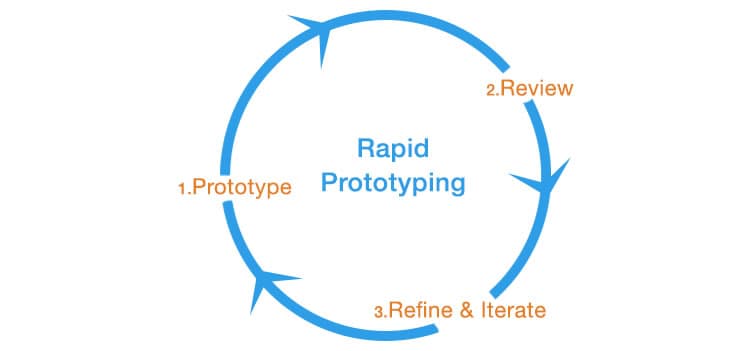
Then, set a time limit. Give yourself a strict deadline for completing the prototype. This will force you to focus on the essentials and avoid getting bogged down in details. Next step, create a basic prototype. Build a simple version of your game that showcases the core mechanic. Don't worry about making it perfect; just make it functional. After you have your prototype get feedback early and often. Show your prototype to friends, colleagues, and potential players. Get their feedback and use it to improve your game. And finally, Iterate, iterate, iterate. Use the feedback you receive to refine your prototype. Make changes, test them, and repeat the process until you have a game that is fun and engaging.
What If Rapid Prototyping Goes Wrong?
Even with the best intentions, rapid prototyping can sometimes go awry. One common pitfall is getting too attached to your initial idea and being unwilling to abandon it, even if it's not working. This can lead to wasted time and effort on a prototype that is fundamentally flawed. Another potential problem is scope creep – adding too many features or mechanics to the prototype, making it difficult to isolate the core gameplay loop and test its effectiveness.
In such cases, it's crucial to be objective and brutally honest with yourself. If the prototype isn't fun or engaging, don't be afraid to scrap it and start over with a new idea. Learn from your mistakes and use them to inform your next prototype. Additionally, be careful not to over-polish your prototype. Remember that the goal is to quickly validate your ideas, not to create a finished product. Spending too much time on art, sound, or UI can distract you from the core gameplay and waste valuable time. When things go wrong, step back, reassess your goals, and be willing to adapt your approach.
Top 5 Listicle of Rapid Prototyping Tips
Here are the top 5 listicle of Rapid Prototyping Tips:
1.Focus on the Core Mechanic: Identify the one thing that makes your game unique and prototype that first.
2.Choose the Right Tools: Use tools that you are already familiar with and that allow you to quickly iterate.
3.Set a Time Limit: Give yourself a strict deadline for completing the prototype to focus on the essentials.
4.Get Feedback Early and Often: Show your prototype to others and use their feedback to improve your game.
5.Iterate, Iterate, Iterate: Use the feedback you receive to refine your prototype and make it more engaging.
In more detail, focusing on the core mechanic ensures that you're validating the most important aspect of your game early on. Choosing the right tools streamlines your workflow and allows you to iterate quickly. Setting a time limit prevents you from getting bogged down in details and forces you to focus on the essentials. Getting feedback early and often provides valuable insights and helps you identify areas for improvement. Iterating based on feedback allows you to refine your prototype and make it more fun and engaging. By following these five tips, you can maximize the effectiveness of your rapid prototyping efforts and create better games faster.
Question and Answer About Rapid Prototyping
Here are some common questions and answers about rapid prototyping:
Q: What's the difference between a prototype and a demo?
A: A prototype is a rough version of your game used to test core mechanics and gameplay, while a demo is a more polished version intended to showcase the game to potential players or publishers.
Q: How long should a rapid prototype take to create?
A: Ideally, a rapid prototype should be created in a matter of days or weeks, not months. The goal is to quickly validate your ideas, so avoid spending too much time on any single prototype.
Q: What if my prototype isn't fun?
A: That's okay! The purpose of prototyping is to identify what works and what doesn't. If your prototype isn't fun, don't be afraid to scrap it and start over with a new idea.
Q: Do I need to be a programmer to create a rapid prototype?
A: Not necessarily. There are many visual scripting tools and game engines that allow you to create functional prototypes without writing code.
Conclusion of Rapid Prototyping for Games: Quick Game Development Techniques
Rapid prototyping is an invaluable technique for any game developer looking to accelerate their workflow, validate their ideas, and create engaging and successful games. By embracing a fail-fast mentality, focusing on core mechanics, and leveraging the right tools and techniques, you can bring your game ideas to life faster than ever before. Remember that the goal is not to create a perfect product, but to quickly learn and iterate. So, don't be afraid to experiment, take risks, and most importantly, have fun! Happy prototyping!
Post a Comment