Scrum for Game Development: Agile Project Management
Ever feel like your game development project is more of a chaotic free-for-all than a well-oiled machine? Are deadlines slipping, features bloating, and team morale plummeting? You're not alone. Many game developers face these challenges, but there's a better way to build games.
Imagine trying to assemble a complex puzzle with constantly changing pieces and no clear picture of the final image. That's often the reality of game development, leading to long hours, stressful crunch times, and ultimately, games that don't quite live up to their potential. Scope creep, shifting priorities, and communication breakdowns can derail even the most promising projects.
This is where Scrum for game development comes in. Scrum offers a structured, iterative approach to manage game development projects, providing teams with a framework to adapt to change, improve communication, and deliver high-quality games on time and within budget. It's about empowering your team, fostering collaboration, and embracing the ever-evolving nature of game creation.
This guide explores how to leverage Scrum's principles and practices to transform your game development process. We'll delve into sprints, daily stand-ups, sprint reviews, and retrospectives, showing how these elements can boost team efficiency, enhance communication, and create a more enjoyable and productive development environment. By mastering Scrum, you can navigate the complexities of game development with greater confidence and create truly exceptional games.
Embracing Agile Principles in Game Development
My first experience with game development was, to put it mildly, a disaster. We were a small indie team, full of passion but utterly lacking in structure. We had a grand vision, but no clear plan, which meant countless late nights, constant feature creep, and ultimately, a game that never quite materialized the way we wanted. That experience taught me the crucial need for an agile methodology, especially Scrum, in game development. It's more than just project management; it's a mindset shift towards adaptability, collaboration, and continuous improvement. Scrum focuses on delivering value in short cycles, allowing for constant feedback and adjustments. This is particularly important in the game industry, where player expectations and technological advancements are always evolving. By breaking down the development process into smaller, manageable sprints, teams can respond quickly to changes, iterate on ideas, and ensure that the final product aligns with the initial vision and player desires. It's not just about building a game; it's about building therightgame, and Scrum provides the framework to do just that.
Understanding the Scrum Framework
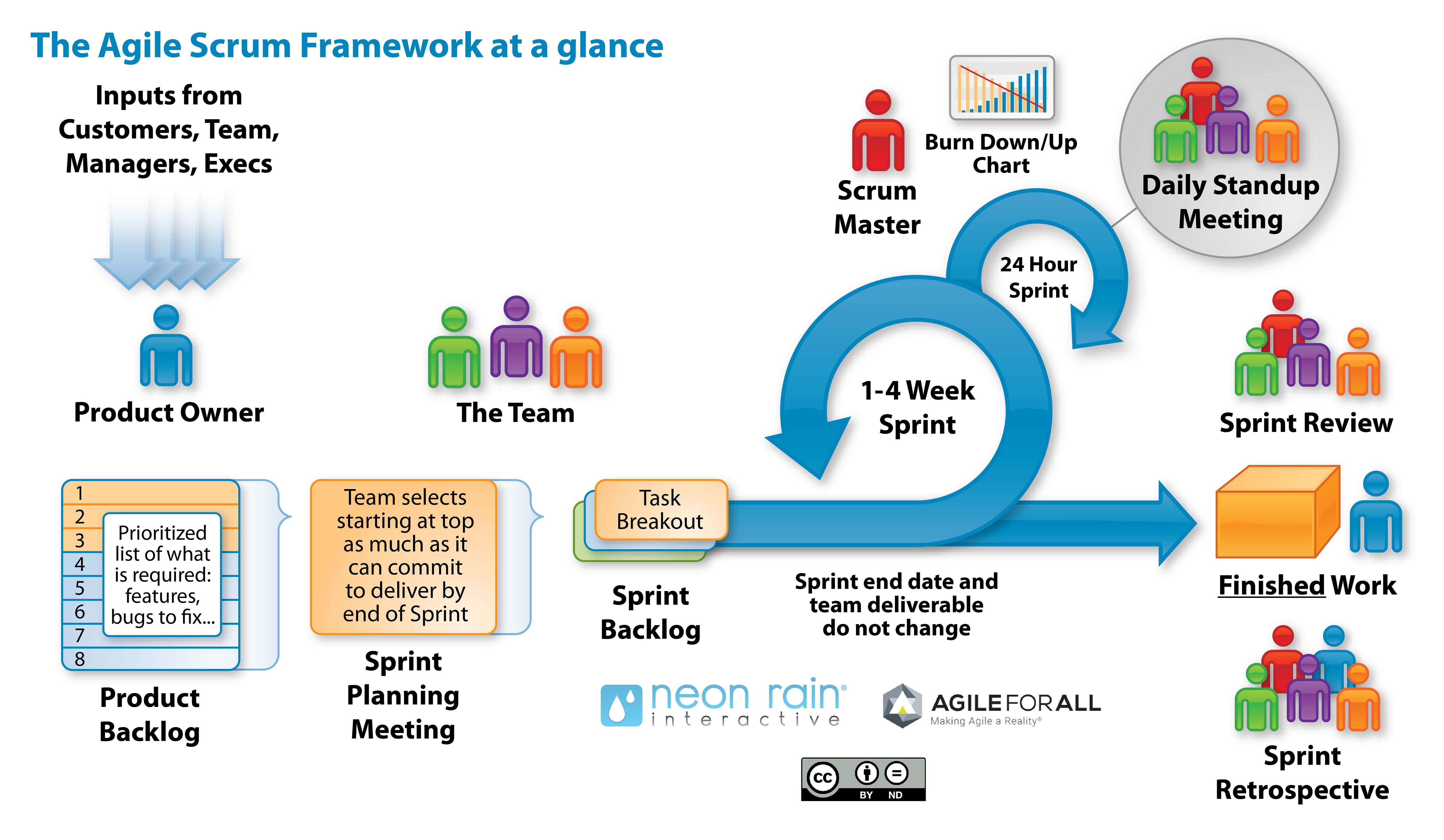
Scrum is an agile framework designed for developing, delivering, and sustaining complex products. In game development, it provides a structured yet flexible approach to managing the creative and technical processes involved in building a game. At its core, Scrum revolves around short development cycles called sprints, typically lasting one to four weeks. During each sprint, the team focuses on delivering a potentially shippable increment of the game. Key roles within a Scrum team include the Product Owner, who defines the game's vision and prioritizes features; the Scrum Master, who facilitates the Scrum process and removes obstacles; and the Development Team, who are responsible for building the game. Daily stand-up meetings, sprint planning sessions, sprint reviews, and sprint retrospectives are essential ceremonies that ensure transparency, collaboration, and continuous improvement. The Scrum framework emphasizes self-organization, empowering teams to make decisions about how best to achieve their sprint goals. This approach allows for greater flexibility and responsiveness to change compared to traditional waterfall methodologies. For game developers, Scrum can be a powerful tool for managing complexity, fostering creativity, and delivering high-quality games that meet player expectations.
The History and Myths of Scrum in Game Development
The history of Scrum is rooted in manufacturing and software development, with its principles gradually being adopted by the game development industry. One common myth is that Scrum is only suitable for large teams or AAA game studios. However, Scrum can be scaled to fit teams of all sizes, from small indie developers to large multinational corporations. Another myth is that Scrum is too rigid and stifles creativity. In reality, Scrum provides a framework for creativity to thrive by encouraging experimentation, collaboration, and continuous learning. The iterative nature of Scrum allows teams to quickly test new ideas and adapt to feedback, leading to more innovative and engaging games. Furthermore, Scrum is often misinterpreted as a silver bullet that will magically solve all development challenges. While Scrum can significantly improve team efficiency and communication, it requires commitment, discipline, and a willingness to embrace change. Successful implementation of Scrum in game development requires a deep understanding of its principles and practices, as well as a willingness to adapt the framework to the unique needs of each project. It's not about blindly following the rules, but rather about understanding the underlying philosophy and applying it in a way that empowers the team to create great games.
Unlocking the Hidden Secrets of Scrum for Games
One of the hidden secrets of Scrum in game development is its emphasis on continuous improvement. Retrospectives, held at the end of each sprint, provide a valuable opportunity for the team to reflect on what went well, what could have been done better, and how to improve the process for future sprints. These discussions should be open, honest, and focused on finding actionable steps for improvement. Another often overlooked aspect of Scrum is the importance of the Definition of Done (Do D). The Do D is a shared understanding of what it means for a task or feature to be considered complete. This ensures that everyone on the team is on the same page and reduces the risk of misunderstandings or incomplete work. Furthermore, Scrum encourages teams to embrace experimentation and learn from their mistakes. By treating each sprint as an opportunity to test new ideas and approaches, teams can continuously refine their processes and improve their performance. This iterative learning process is essential for long-term success in the ever-evolving game development landscape. Embracing these hidden secrets of Scrum can unlock new levels of efficiency, creativity, and collaboration within your game development team, leading to higher quality games and a more rewarding development experience.
Recommendations for Implementing Scrum in Your Game Studio
If you're considering implementing Scrum in your game studio, start small. Don't try to overhaul your entire development process overnight. Instead, choose a pilot project and gradually introduce Scrum principles and practices. Provide your team with training and coaching to ensure they understand the framework and their roles within it. Emphasize the importance of communication and collaboration, and create a culture of trust and transparency. Encourage your team to experiment and adapt the Scrum framework to fit their specific needs and context. Remember that Scrum is not a one-size-fits-all solution, and it may require some tweaking to work effectively in your studio. Regularly review your Scrum implementation and make adjustments as needed. Seek feedback from your team and stakeholders, and be open to making changes based on their input. Consider hiring a Scrum Master or Agile coach to help guide your team through the transition and provide ongoing support. With careful planning, effective training, and a commitment to continuous improvement, you can successfully implement Scrum in your game studio and reap the many benefits it offers.
Understanding the Sprint Backlog
The Sprint Backlog is a crucial artifact in Scrum. Think of it as the team's to-do list for a specific sprint. It's a detailed plan created by the Development Team, outlining the tasks required to achieve the Sprint Goal. During sprint planning, the team selects items from the Product Backlog – prioritized features and requirements – and breaks them down into smaller, manageable tasks. These tasks are then added to the Sprint Backlog. Each task should be estimated in terms of effort, allowing the team to track progress and identify potential roadblocks. The Sprint Backlog is a living document, constantly updated and refined throughout the sprint. As tasks are completed, they are marked as "done," providing a visual representation of the team's progress. The Sprint Backlog is owned and managed by the Development Team, who are responsible for ensuring that it accurately reflects the work required to achieve the Sprint Goal. Regular daily stand-up meetings provide an opportunity for the team to discuss progress, identify any impediments, and adjust the Sprint Backlog as needed. A well-maintained Sprint Backlog is essential for effective sprint execution and ensures that the team remains focused on delivering value throughout the sprint.
Tips and Tricks for Successful Scrum Implementation
One of the most important tips for successful Scrum implementation is to focus on the fundamentals. Don't get bogged down in complex processes or try to implement every Scrum practice at once. Start with the basics: sprint planning, daily stand-ups, sprint reviews, and sprint retrospectives. Ensure that your team understands the purpose of each ceremony and their roles within it. Another tip is to empower your team to make decisions. Scrum is all about self-organization, so trust your team to choose the best way to achieve their sprint goals. Avoid micromanaging or imposing rigid rules that stifle creativity and innovation. Regularly solicit feedback from your team and stakeholders, and be open to making changes based on their input. Scrum is an iterative process, so don't be afraid to experiment and adapt the framework to fit your specific needs and context. Use visual aids, such as Kanban boards or burn-down charts, to track progress and identify potential roadblocks. Celebrate successes and learn from failures. Scrum is a journey, not a destination, so embrace the process of continuous improvement and strive to create a culture of collaboration, transparency, and trust within your team.
Effective Daily Stand-up Meetings
The Daily Stand-up is a short, focused meeting held each day during the sprint. Its purpose is to provide a quick update on progress, identify any impediments, and ensure that the team is aligned and working towards the Sprint Goal. The Daily Stand-up should be time-boxed, typically lasting no more than 15 minutes. Each team member answers three key questions: What did I do yesterday? What will I do today? Are there any impediments blocking my progress? The Daily Stand-up is not a problem-solving session. If a complex issue arises, it should be addressed after the meeting by the relevant team members. The Scrum Master facilitates the Daily Stand-up, ensuring that it remains focused and efficient. The Daily Stand-up should be held at the same time and location each day to create a consistent rhythm. Encourage team members to actively listen to each other and offer support where needed. The Daily Stand-up is a valuable tool for fostering communication, transparency, and collaboration within the Scrum team. By regularly sharing progress and identifying impediments, the team can quickly address issues and stay on track towards achieving the Sprint Goal.
Fun Facts About Scrum in Game Development
Did you know that the term "Scrum" comes from rugby, where it refers to a method of restarting play after a minor infringement? The co-creators of Scrum, Jeff Sutherland and Ken Schwaber, chose this term to emphasize the importance of teamwork, collaboration, and communication. Another fun fact is that Scrum is not just for software development. It has been successfully applied to a wide range of industries, including game development, marketing, education, and even healthcare. Scrum's flexibility and adaptability make it a valuable tool for managing complex projects in any field. Despite its popularity, Scrum is still often misunderstood. Many people believe that Scrum is simply a set of rules to be followed blindly. In reality, Scrum is a framework that provides guidance and principles, but it is up to each team to adapt it to their specific needs and context. The key to successful Scrum implementation is to understand the underlying philosophy and apply it in a way that empowers the team to create great games.
How to Implement Scrum for Game Development
Implementing Scrum for game development requires careful planning and execution. Start by educating your team about Scrum principles and practices. Provide training and coaching to ensure that everyone understands their roles and responsibilities. Identify a pilot project to test your Scrum implementation. Choose a project that is relatively small and manageable, so that you can learn and adapt as you go. Define your Product Backlog, which is a prioritized list of features and requirements for your game. Involve your stakeholders in the process to ensure that their needs and expectations are met. Plan your sprints, breaking down the Product Backlog into smaller, manageable tasks. Estimate the effort required for each task and assign them to team members. Conduct daily stand-up meetings to track progress, identify impediments, and ensure that the team is aligned. Hold sprint reviews at the end of each sprint to demonstrate the completed work to stakeholders and gather feedback. Conduct sprint retrospectives to reflect on what went well, what could have been done better, and how to improve the process for future sprints. Continuously adapt and refine your Scrum implementation based on feedback and experience. Remember that Scrum is a journey, not a destination, so embrace the process of continuous improvement.
What if Scrum Doesn't Work for Your Game?
While Scrum is a powerful framework, it's not a silver bullet. There may be situations where Scrum is not the best fit for your game development project. For example, if your project has a very small team or highly predictable requirements, a simpler methodology might be more appropriate. If you're struggling to implement Scrum effectively, don't be afraid to experiment with alternative approaches. Consider using a hybrid approach, combining elements of Scrum with other methodologies, such as Kanban or Waterfall. Focus on the underlying principles of agility, such as collaboration, communication, and continuous improvement. Even if you don't follow the Scrum framework strictly, you can still benefit from these principles. Remember that the goal is to deliver high-quality games that meet player expectations, and the best methodology is the one that helps you achieve that goal. Don't be afraid to adapt and evolve your process as needed to ensure that you're using the most effective approach for your specific project and team.
Top 5 Benefits of Using Scrum in Game Development
Here's a listicle of the top five benefits of using Scrum in game development:
- Improved Team Collaboration: Scrum fosters a culture of open communication, shared responsibility, and mutual support, leading to stronger and more cohesive teams.
- Increased Productivity: By breaking down the development process into smaller, manageable sprints, Scrum helps teams stay focused and deliver value more frequently.
- Enhanced Adaptability: Scrum's iterative nature allows teams to quickly respond to changes in requirements, player feedback, and market trends.
- Higher Quality Games: Scrum's emphasis on testing, feedback, and continuous improvement leads to games that are more polished, engaging, and fun to play.
- Reduced Risk: By delivering incremental value throughout the development process, Scrum helps to mitigate risks and ensure that the final product aligns with the initial vision.
Question and Answer of Scrum for Game Development
Here are some frequently asked questions about Scrum in game development:
Question: Is Scrum suitable for small indie game development teams?
Answer: Yes, Scrum can be adapted to fit teams of all sizes. Small teams can benefit from Scrum's structure, communication practices, and focus on delivering value in short cycles.
Question: How does Scrum handle scope creep in game development?
Answer: Scrum addresses scope creep by prioritizing features in the Product Backlog and allowing for adjustments at the start of each sprint. This ensures that the team focuses on delivering the most valuable features first and can adapt to changing priorities.
Question: What is the role of the game designer in a Scrum team?
Answer: The game designer works closely with the Product Owner to define the game's vision and prioritize features. They also collaborate with the Development Team to ensure that the game design is effectively implemented.
Question: How long should a sprint be in game development?
Answer: Sprint length typically ranges from one to four weeks. The ideal sprint length depends on the complexity of the project and the team's experience with Scrum. Shorter sprints allow for more frequent feedback and adaptation, while longer sprints provide more time to complete complex tasks.
Conclusion of Scrum for Game Development
In conclusion, Scrum offers a powerful framework for managing the complexities of game development. By embracing agile principles, fostering collaboration, and focusing on delivering value in short cycles, Scrum can help game development teams create higher quality games, improve communication, and adapt to change more effectively. While Scrum may not be a perfect fit for every project, its underlying principles and practices can be valuable for any team seeking to improve their development process and create truly exceptional games. So, take the leap, experiment with Scrum, and unlock your team's full potential!
Post a Comment